

Guide
5 Expert Tips for Caring for Butterfly Bushes in Your Garden
Sep
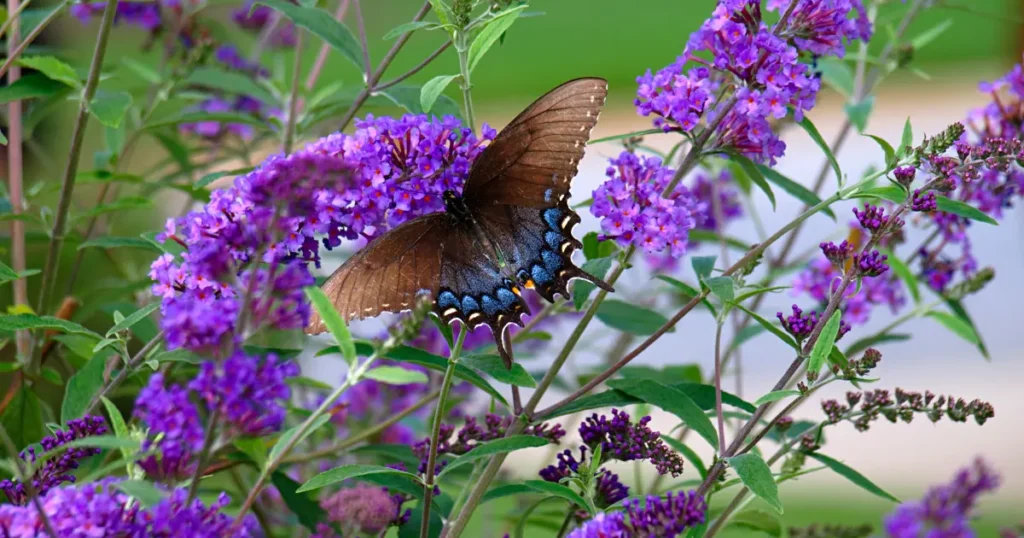
Are you struggling with how to take care of your butterfly bushes? Do you want to ensure that your garden becomes a haven for butterflies and other pollinators? Well, you’re not alone! Many garden enthusiasts find themselves looking for the best ways to care for these beautiful, vibrant shrubs. Butterfly bushes (Buddleja) are a fantastic addition to any garden, attracting butterflies, bees, and hummingbirds, but they do need a little extra attention to thrive. In this article, I’ll share 5 expert tips on butterfly bush care, helping you grow healthy plants that will add beauty and life to your garden all year long.
Tip #1: Choosing the Right Location for Your Butterfly Bush
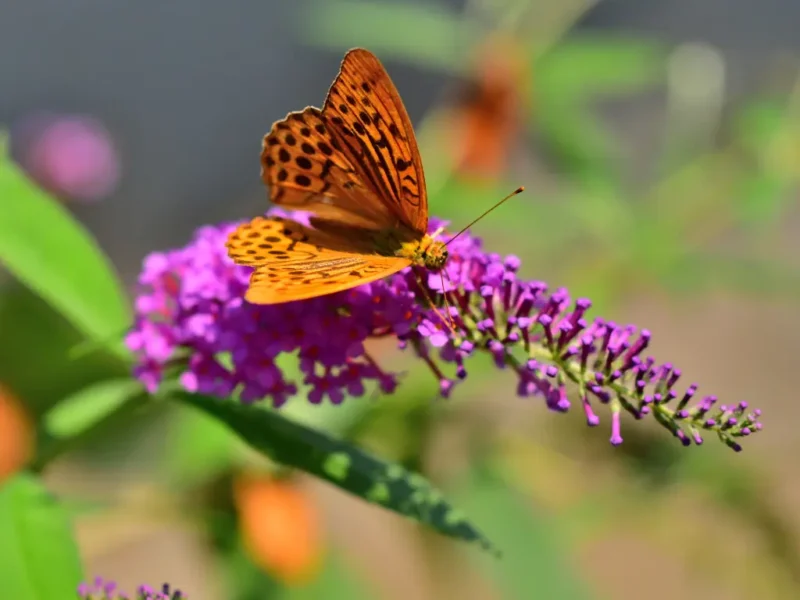
One of the most important things to consider when caring for butterfly bushes is selecting the right location. These plants need ample sunlight to grow and thrive, so make sure to plant them in a spot that receives full sun for at least 6 hours a day. The more sun they get, the more flowers they will produce, which in turn attracts more butterflies and other pollinators.
Butterfly bushes love sunlight, and they need it to bloom profusely. While they are somewhat drought-resistant, they perform best in bright, sunny locations. If you’re growing your butterfly bushes in a spot with less than six hours of sun, you might see fewer blooms, and the plant may not attract as many butterflies as you’d like.
Another important factor to consider is the soil. Butterfly bushes prefer well-drained, loamy soil. If your soil is heavy or clay-like, you may need to amend it with organic compost to improve drainage. Poor soil drainage can lead to root rot, which can kill your butterfly bush.
To help the plant grow strong and healthy, make sure the soil pH is slightly alkaline to neutral (around 6.0-7.0). Testing your soil before planting is always a good idea, as it ensures the best environment for your butterfly bush to flourish.
Tip #2: Watering and Feeding Your Butterfly Bush
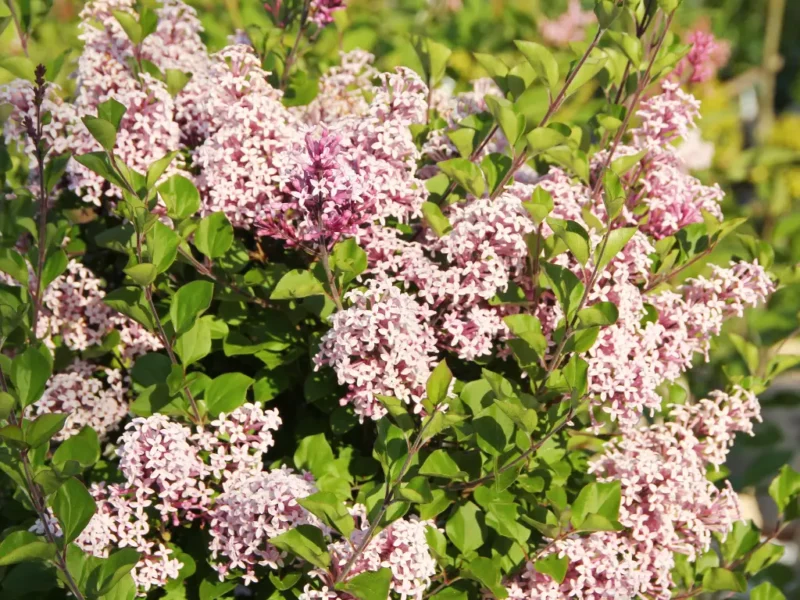
Proper watering and feeding are crucial to the health of your butterfly bush. While they are drought-tolerant once established, they do need regular watering during the growing season, especially in hot, dry weather.
How Often to Water Butterfly Bushes
Water your butterfly bushes when the top 2-3 inches of soil feel dry. It’s best to water deeply, ensuring the moisture reaches the root zone. Early morning watering is ideal because it helps prevent fungal diseases that can occur if the plant stays wet overnight.
Feeding Your Butterfly Bush
To promote healthy growth and abundant blooms, feed your butterfly bush with a balanced fertilizer in the spring, just as new growth begins. A slow-release fertilizer or organic compost is an excellent choice for keeping your plant nourished throughout the growing season.
Avoid over-fertilizing, as too much nitrogen can lead to lush foliage growth at the expense of flowers. Instead, focus on feeding your plant with a fertilizer that promotes blooming, such as one high in phosphorus.
Tip #3: Pruning and Shaping Your Butterfly Bush
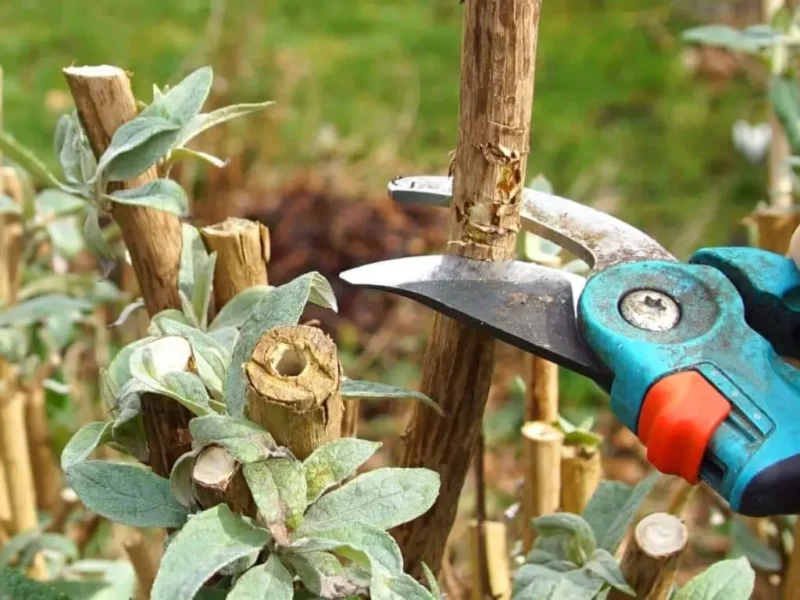
Pruning is essential for maintaining the shape and health of your butterfly bush. While this plant tends to be quite hardy, it benefits from a good trim each year to encourage strong growth and vibrant blooms.
The best time to prune your butterfly bush is in late winter or early spring, just before new growth begins. This will ensure that you don’t damage any new buds or growth while cutting back older stems. Pruning after the plant has finished blooming is also a good idea to ensure that you don’t lose any flowers prematurely.
Start by cutting back about one-third of the plant’s growth, removing any dead or diseased branches. If your butterfly bush is very large, you can cut it back to the ground. Don’t worry, butterfly bushes are very resilient and will grow back quickly. Pruning not only helps with overall health but also encourages a more compact shape, which can prevent the plant from becoming too leggy or sprawling.
Tip #4: Protecting Butterfly Bushes from Pests and Diseases
Though butterfly bushes are relatively pest-resistant, they can still fall victim to some common garden pests and diseases. Early detection and proper care can prevent serious damage.
Common Pests That Affect Butterfly Bushes
The most common pests that target butterfly bushes are aphids, spider mites, and caterpillars. Aphids can suck the sap from the leaves, leading to yellowing and stunted growth. Spider mites, often caused by dry conditions, leave tiny webbing on the leaves and can damage them severely.
To combat these pests, you can simply spray your plant with a strong stream of water to wash them away. If needed, consider using insecticidal soap for more stubborn infestations. However, it’s always best to use natural pest control methods to avoid harming beneficial insects.
Preventative Measures for Disease Control
Butterfly bushes can also be affected by fungal diseases like powdery mildew and root rot, especially if they’re grown in overly moist conditions. To prevent these issues, avoid overcrowding your plants and ensure proper air circulation around them. Regularly inspect your plants for signs of disease, such as discolored or wilting leaves, and remove any affected areas promptly.
Tip #5: Winterizing Butterfly Bushes
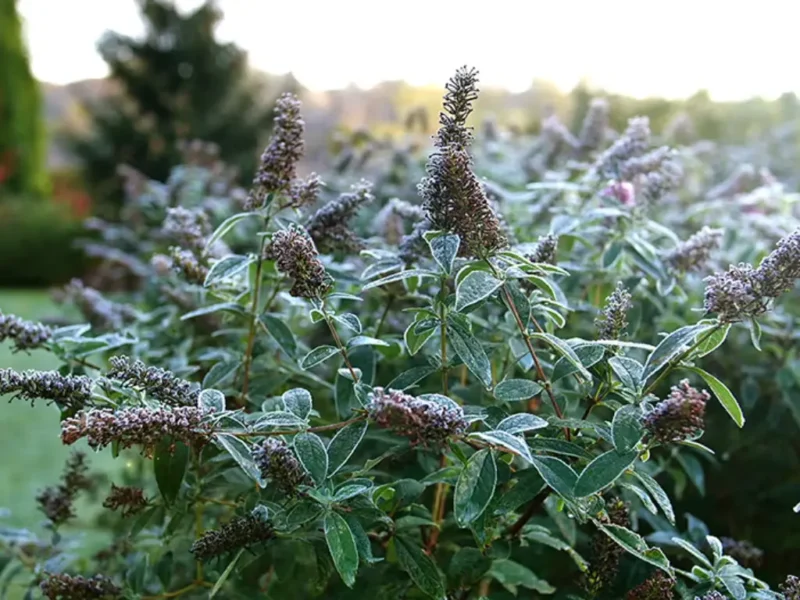
Winterizing your butterfly bush is crucial if you live in a region with cold winters. While butterfly bushes are hardy, they can still benefit from some extra protection during the colder months.
In late fall, after the last blooms have faded, prune your butterfly bush back to about 12 inches from the ground. This will help the plant conserve energy during the winter months and promote healthy growth in the spring.
If you live in a region with particularly harsh winters, consider adding a layer of mulch around the base of the plant to protect the roots. This will help insulate the plant and prevent frost damage. You can also wrap the bush in burlap or a protective plant cover if temperatures are expected to dip below freezing for extended periods.
Conclusion
By following these 5 simple tips, you’ll be well on your way to growing a thriving butterfly bush that attracts beautiful butterflies and pollinators to your garden. Remember to choose the right location, provide adequate watering and feeding, prune regularly, protect from pests and diseases, and winterize the plant when necessary. With a little care and attention, your butterfly bushes will reward you with stunning blooms and a garden full of life.
If you’re looking for more gardening tips or need advice on other pollinator-friendly plants, be sure to check out our other blog posts. Happy gardening!
Frequently Asked Questions (FAQs)
Q1: How often should I water my butterfly bushes?
-
Water your butterfly bush once the soil is dry to the touch, typically about once a week during the growing season.
Q2: Can I grow a butterfly bush in a pot?
-
Yes, butterfly bushes can be successfully grown in pots. Just make sure the pot is large enough and has proper drainage.
Q3: When is the best time to prune my butterfly bushes?
-
Prune your butterfly bush in early spring, just before the new growth begins, to encourage healthy blooms.
Q4: How can I attract more butterflies to my garden?
-
Plant more butterfly-friendly plants like butterfly bushes, provide water sources, and avoid using harmful pesticides.
By following these expert tips, you’ll be able to create a beautiful, thriving garden full of butterfly bushes that attract pollinators and add vibrant color to your space. Happy gardening!
You may like:
- How to Grow Jacaranda Trees: A Complete Beginner’s Guide
- 12 Common Flowers You Should Plant in August for More Blooms Through Fall
- 5 Best Tips for Supporting Pollinators in Your Yard This Spring
- Saving the bees: How to create a pollinator-friendly garden
- Pear Tree Pollination Guide: Do Your Pears Need Cross-Pollination?
