
Guide
How to Plant Buddleia Butterfly Bush: The Complete Guide
Nov
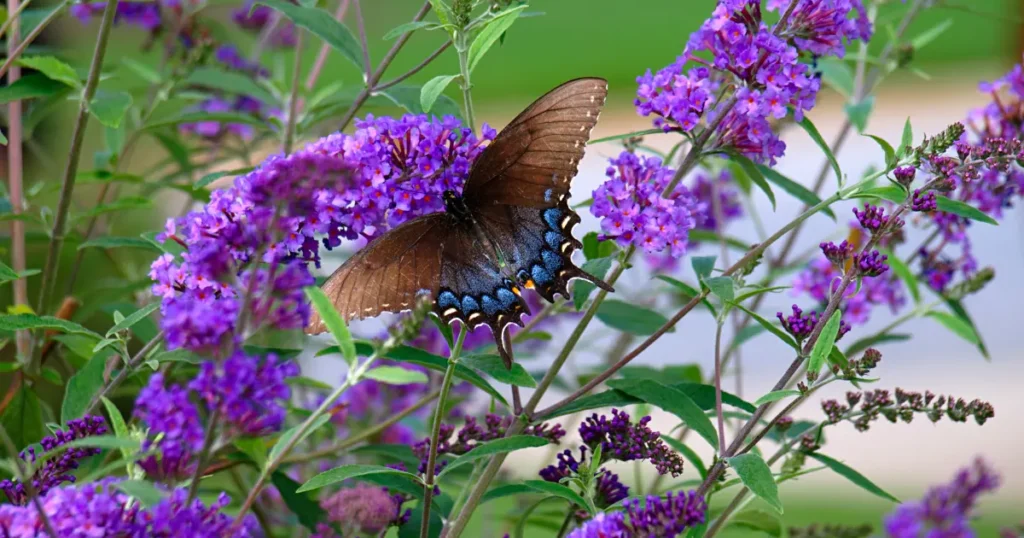
If you’re looking to attract beautiful butterflies into your garden, the Buddleia Butterfly Bush is a must-have. Known for its vibrant flowers and ability to draw in pollinators, this plant is not only a visual treat but also provides an essential food source for butterflies. But how do you plant it, and what should you know before getting started?
In this guide, we will explore everything you need to know about planting Buddleia Butterfly Bush, including the best time to plant, the right location, how to care for it, and more. Whether you are a seasoned gardener or a beginner, you’ll find actionable tips to ensure your plant thrives.
What is the Buddleia Butterfly Bush?
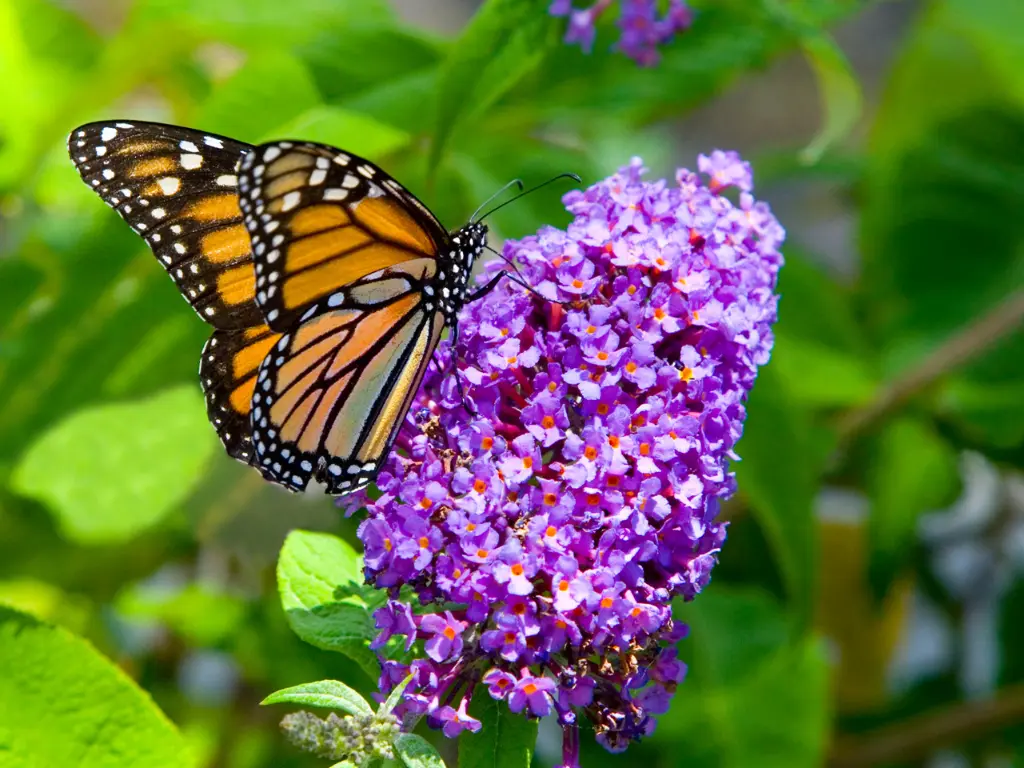
The Buddleia Butterfly Bush (also known as Buddleia davidii) is a deciduous shrub prized for its colorful, fragrant flowers that attract butterflies, bees, and other pollinators. Native to China, Buddleia has become a popular plant in gardens worldwide due to its ability to thrive in a variety of conditions and its long blooming season.
Buddleia Butterfly Bush Live Plant – Vibrant Blooms, Hardy Outdoor Starter Plant
Key Features
-
Vibrant Flowers: Buddleia produces stunning flower spikes that come in a variety of colors, including purple, pink, white, and blue.
-
Butterfly Magnet: As its name suggests, Buddleia is known for attracting butterflies, making it a perfect addition to any pollinator garden.
-
Fast-Growing: This plant grows quickly, with some varieties reaching up to 6 feet tall and wide.
-
Low Maintenance: Buddleia is relatively easy to care for once established, making it an excellent choice for gardeners of all experience levels.
Related Posts:
- 10 Butterfly Bush Varieties for a Vibrant Garden From Summer to Fall
- 5 Expert Tips for Caring for Butterfly Bushes in Your Garden
- 12 Common Flowers You Should Plant in August for More Blooms Through Fall
Planting Buddleia Butterfly Bush
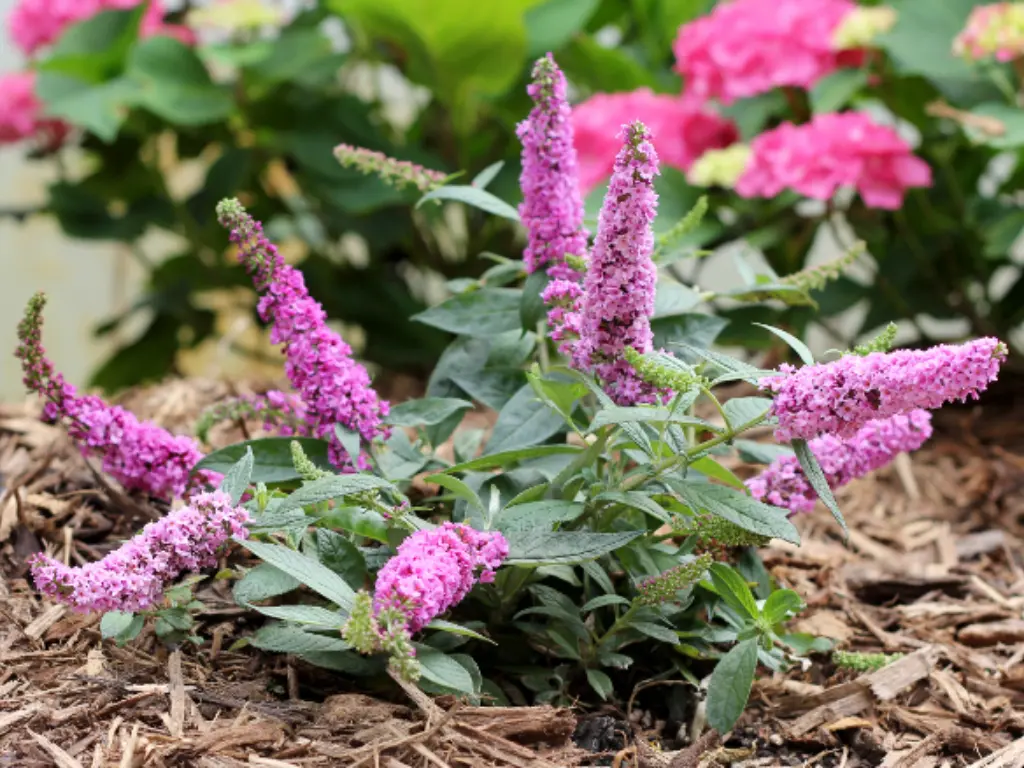
Planting a Buddleia Butterfly Bush is the first step toward creating a butterfly-friendly garden. Here’s everything you need to know about getting your plant into the ground and set up for success.
Best Time to Plant Buddleia Butterfly Bush
One of the most important factors in planting Buddleia Butterfly Bush is timing. So, when should you plant it to give it the best chance to thrive? The best time to plant Buddleia is during the spring or fall when the soil is still warm.
Planting in early spring ensures that your Buddleia Butterfly Bush has time to establish its roots before the hot summer months. However, if you live in a region with mild winters, planting in the fall can also be an ideal option. This gives the plant time to settle in and grow roots before the colder temperatures set in.
It’s important to note that Buddleia is not frost-hardy, so make sure to avoid planting in the peak of winter when the ground is frozen.
Tips for Timing
Spring Planting: Wait until after the last frost to plant.
Fall Planting: Aim for at least 6 weeks before the first expected frost.
Choosing the Right Location
Buddleia thrives in full sun, so choose a location that receives at least 6 hours of direct sunlight per day. It also prefers well-drained soil and plenty of space to spread out.
-
Sunlight: Full sun will ensure that your plant produces the most flowers and attracts plenty of butterflies.
-
Soil: Well-drained soil is key to preventing root rot. If you have heavy clay soil, amend it with organic matter to improve drainage.
-
Space: Buddleia bushes can grow quite large—up to 6 feet tall and wide—so make sure to give it plenty of room to spread. Planting it too close to other shrubs or structures can stunt its growth.
-
Pollinator-Friendly Areas: Plant your Buddleia in areas where you want to attract butterflies, bees, and hummingbirds. It makes an excellent addition to butterfly gardens, pollinator patches, or natural wildlife areas.
Soil Preparation
Before planting, prepare the soil by loosening it to a depth of about 12-18 inches. If your soil is heavy or compacted, mix in some compost or organic matter to improve drainage and provide nutrients.
You may like to read: 3 Essential Steps for Soil Preparation
How to Plant Buddleia Butterfly Bush
Once you’ve chosen the right time and location for your Buddleia, it’s time to get planting. Follow these steps for a successful planting experience:
1. Prepare the Soil
Before planting, it’s essential to prepare the soil properly. Loosen the soil in the planting area, ideally to a depth of around 12-18 inches. You can improve soil drainage by adding organic matter such as compost, which will also provide nutrients for the growing plant.
2. Dig a Hole
Dig a hole that is about twice the width of the root ball of your Buddleia Butterfly Bush. The depth of the hole should match the height of the root ball, allowing the plant to sit level with the surrounding soil.
3. Plant the Bush
Place the plant in the hole and fill it in with soil. Be careful not to bury the plant too deeply—its crown (where the stem meets the roots) should be level with the soil surface. Gently firm the soil around the base of the plant to ensure it’s secure.
4. Water Thoroughly
After planting, give your Buddleia a deep watering to settle the soil around the roots. This will also help the plant adjust to its new environment.
5. Mulch
Applying a layer of mulch around the base of your Buddleia will help retain moisture and prevent weeds. Use organic mulch like bark or straw, but avoid piling it too high around the stem.
Caring for Buddleia Butterfly Bush
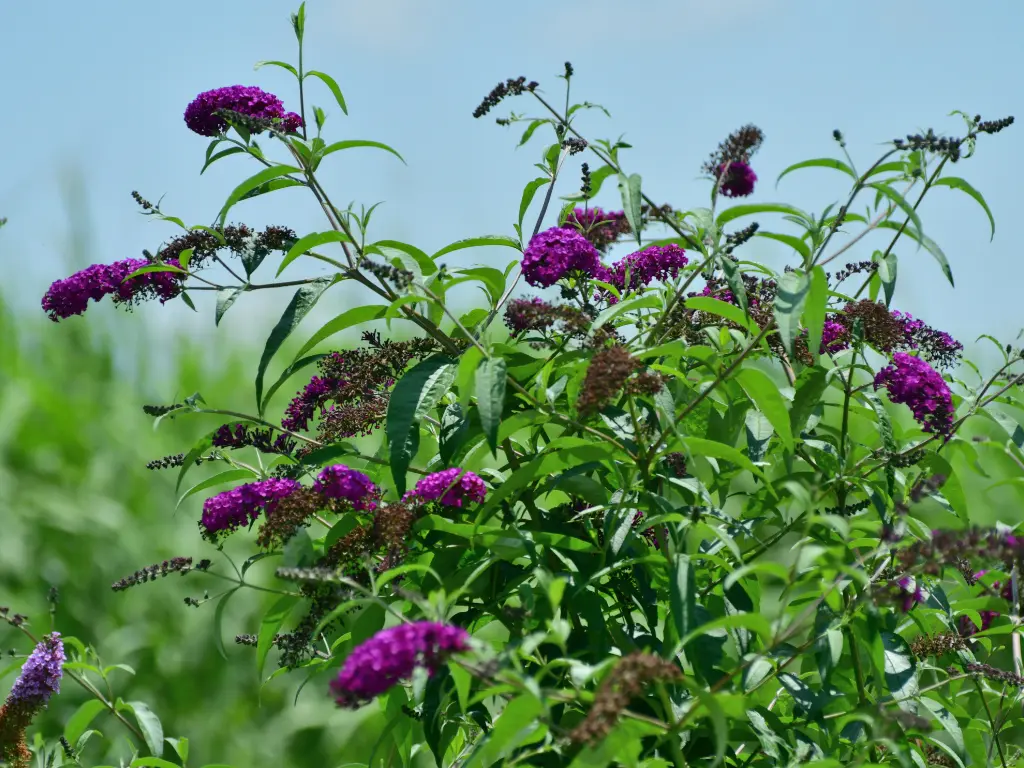
Once your Buddleia Butterfly Bush is planted, the next step is proper care to ensure healthy growth and abundant blooms. Here’s what you need to know:
Watering
Buddleia is relatively drought-tolerant once established, but it still needs regular watering in the first year. Water deeply to encourage strong root growth. During the hotter months, you may need to water more frequently, especially if rainfall is sparse.
Fertilizing
Buddleia does not require heavy feeding, but a light application of balanced fertilizer in early spring can give it a boost for the growing season. Avoid excessive fertilizing, as this can lead to lush foliage but fewer flowers.
Pruning
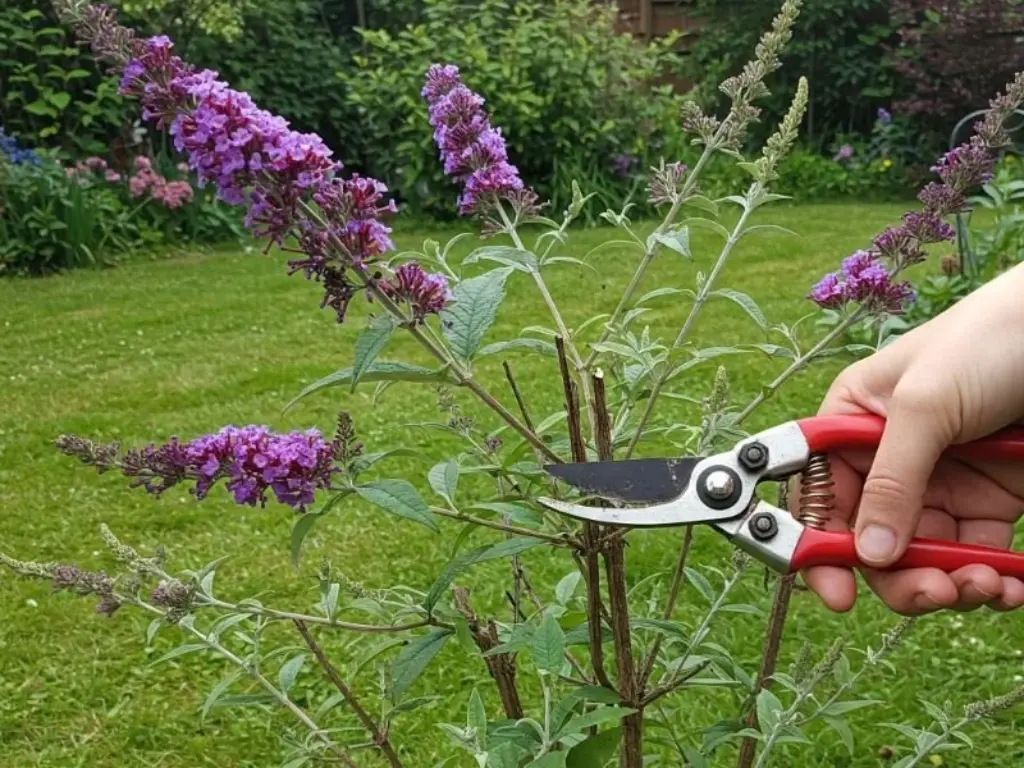
Pruning is essential for maintaining the health of your Buddleia Butterfly Bush and ensuring it blooms profusely. Here’s how to prune it correctly:
-
Late Winter/Early Spring: Cut back the plant by about one-third to encourage new growth.
-
Remove Dead Flowers: Regularly deadhead spent blooms to encourage more flowers and to keep the plant looking tidy.
Pest and Disease Control
Buddleia is generally pest-resistant but can sometimes attract aphids, caterpillars, and spider mites. You can treat these issues with organic insecticides or by using a strong stream of water to wash the pests off.
Potting and Repotting
If you’re growing Buddleia in a pot, make sure to repot it every few years to prevent the roots from becoming root-bound. Choose a pot that’s at least one size larger than the current container and ensure it has good drainage.
How to Propagate Buddleia Butterfly Bush
If you want more Buddleia Butterfly Bushes in your garden, propagation is easy through cuttings. Take a 6-8 inch cutting from the new growth in late spring or early summer. Remove the lower leaves, dip the cutting in rooting hormone, and plant it in a pot with well-draining soil. Keep it in a warm, sunny location until it roots.
How to Get Buddleia Butterfly Bush to Bloom
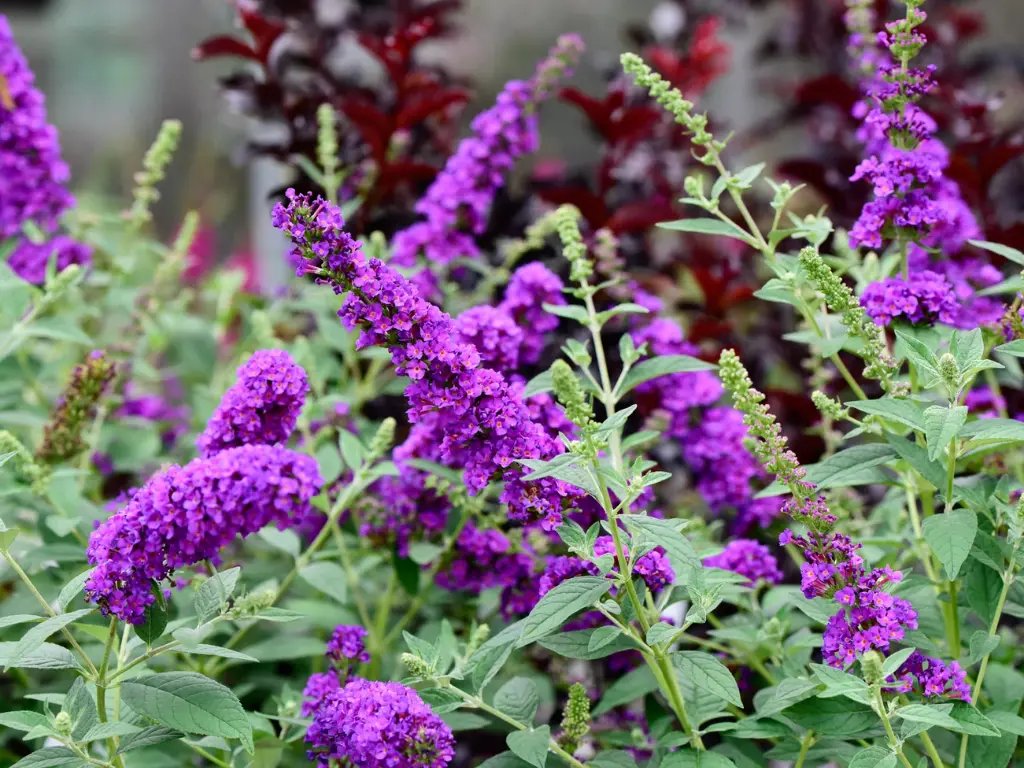
Buddleia is known for its abundant flowers, but sometimes it may not bloom as expected. Let’s look at how to encourage your plant to bloom.
Buddleia Butterfly Bush typically blooms from mid-summer to fall, producing spikes of flowers that attract butterflies, bees, and hummingbirds. The bloom time may vary depending on the variety and growing conditions.
To encourage your plant to bloom:
-
Provide plenty of sunlight (at least 6 hours per day).
-
Prune regularly to remove dead or spent blooms.
-
Avoid over-fertilizing, as too much nitrogen can promote foliage growth at the expense of flowers.
Once your Buddleia has finished blooming, continue to care for it by deadheading spent flowers to encourage a second round of blooms. In the fall, cut the plant back and mulch it to protect it from the cold.
Common Problems with Buddleia Butterfly Bush
While Buddleia Butterfly Bush is relatively easy to care for, there are a few common issues that gardeners may face. Here’s how to deal with them:
1. Poor Blooming
If your Buddleia isn’t blooming, it could be due to a few reasons:
-
Too much shade: Ensure your plant is getting at least 6 hours of direct sunlight daily.
-
Excessive fertilizer: Over-fertilizing can lead to lots of foliage but fewer flowers. Stick to a balanced, slow-release fertilizer.
2. Yellowing Leaves
Yellowing leaves may indicate overwatering or poor drainage. Check to make sure the soil isn’t waterlogged, and only water when the soil feels dry to the touch. Adding compost or organic matter can also help improve soil structure and drainage.
3. Winter Damage
If you live in a cold region, your Buddleia Butterfly Bush might experience winter damage. To prevent this, consider cutting back the plant in late fall and covering it with burlap or another protective material.
Conclusion
Planting a Buddleia Butterfly Bush is a rewarding and enjoyable experience. With its stunning blooms and butterfly-attracting qualities, it can transform your garden into a vibrant, lively haven. By choosing the right planting time, location, and care routine, you’ll have a flourishing Buddleia that will bring joy year after year.
Remember, the key is sunlight, well-drained soil, and a little attention to detail. So, whether you’re an experienced gardener or a beginner, follow these simple steps, and you’ll be well on your way to enjoying the beauty of the Buddleia Butterfly Bush in your own backyard!
Frequently Asked Questions (FAQs)
1. How often should I water my Buddleia Butterfly Bush?
Water the plant deeply once a week, especially during dry periods. Once established, Buddleia is fairly drought-tolerant.
2. Can I grow Buddleia in a pot?
Yes, Buddleia can be grown in containers, but it will need a larger pot to accommodate its growth. Make sure to choose a pot with proper drainage.
3. What type of soil does Buddleia prefer?
Buddleia prefers well-drained soil. Sandy or loamy soil works best, but it can tolerate a range of soil types.
4. Why is my Buddleia not blooming?
The most common reasons for poor blooming include inadequate sunlight, over-fertilizing, or not cutting back the plant in the early spring.
