




Guide
How to Grow Pussy Willows: A Complete Guide for Beginners

Jul
Are you excited to add a touch of spring to your garden with the beautiful and iconic pussy willow? Growing Salix discolor (pussy willows) is not only easy but also incredibly rewarding. These delightful plants are famous for their silvery catkins that appear early in the spring, signaling the end of winter and the arrival of warmer days. If you’re a beginner or even an experienced gardener looking to grow pussy willows in your garden, this guide is just for you. Let’s dive into everything you need to know, from choosing the right location to troubleshooting common issues!
What Are Pussy Willows?

Pussy willows refer to several species of smaller willows in the Salix genus, most notably Salix discolor, a native North American deciduous shrub known for its furry catkins that appear in early spring. While Salix caprea and Salix cinerea, two European species, are also sometimes called pussy willows, the term is most commonly associated with the North American variety.
Pussy willows naturally thrive in wetland environments, but with the right care and conditions, you can easily grow them in your own yard. These fast-growing shrubs can reach impressive heights of up to 25 feet, making them an excellent choice for creating natural privacy screens. They’re also easy to propagate—just stick a branch into the soil, and in a few months, you’ll have a fully developed plant. Additionally, a cutting placed in a vase makes for a charming spring decoration.
Key Features
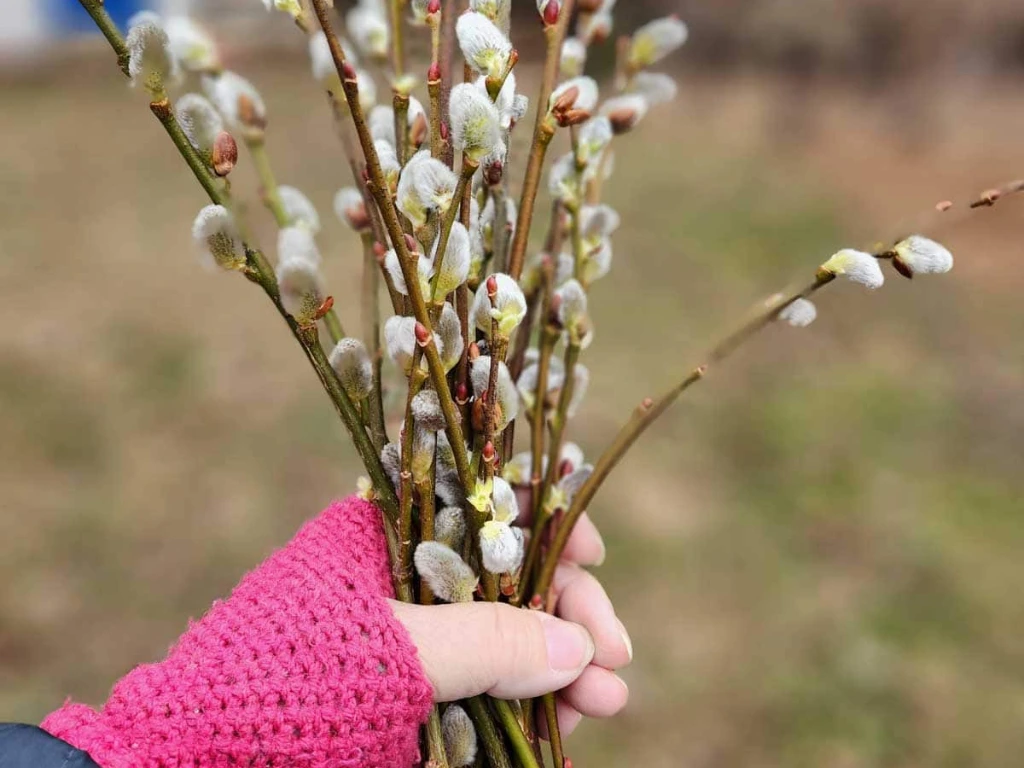
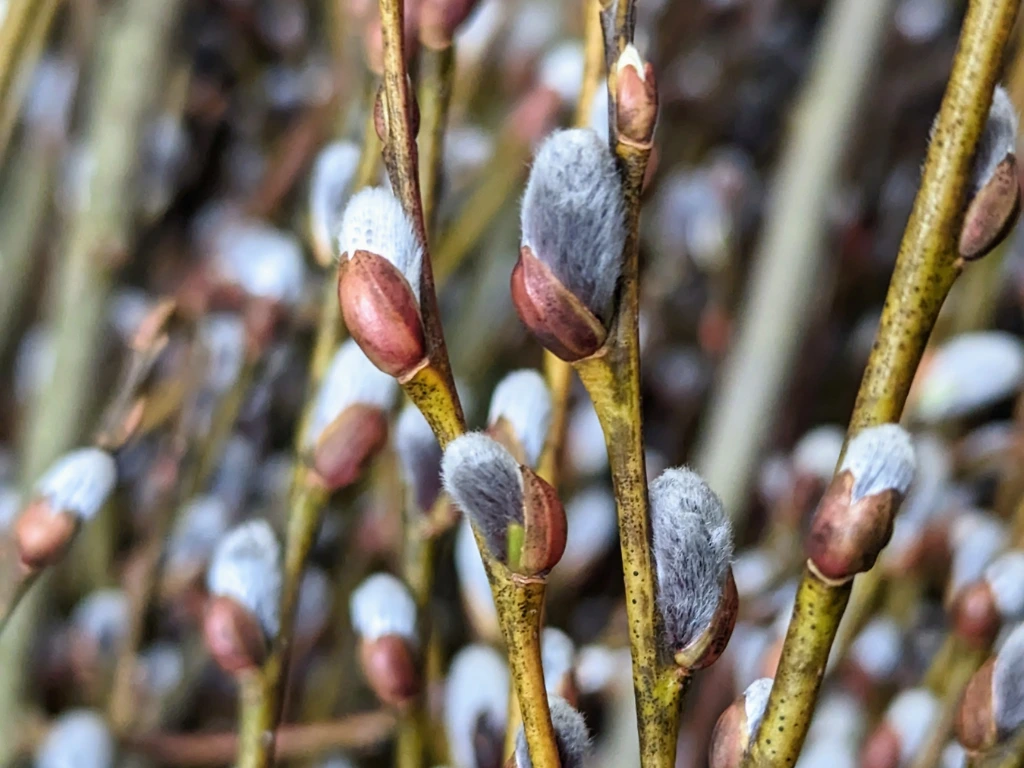
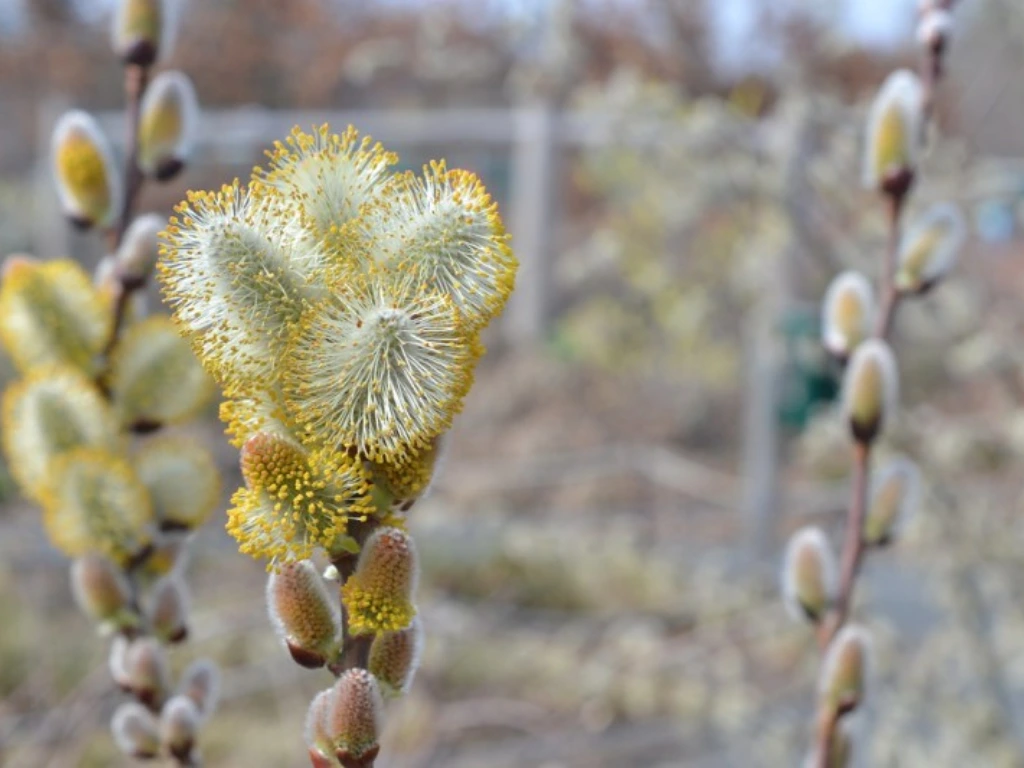
Pussy willows are easily identifiable thanks to their unique fuzzy blooms that emerge before the leaves. These catkins are typically silvery-white and have a soft, almost furry texture. As the season progresses, they mature into tiny, yellow flowers. Another striking feature of pussy willows is their graceful, arching branches that add elegance to any garden.
Types of Pussy Willows
There are various types of pussy willows, with Salix discolor being the most common variety in North America. However, you may also come across other species like:
-
Salix caprea (European pussy willow): Known for its larger catkins and broader leaves.
-
Salix cinerea (Gray willow): A smaller variety that’s great for natural landscapes.
Each variety has its own unique charm, but they all share that stunning silvery bloom that gardeners love.
Planting Pussy Willows
Let’s look at the steps you need to take.
Best Time to Plant Pussy Willows
The best time to plant pussy willows is during the dormant season—early spring or late fall. This timing allows the plant to establish its roots before the growing season begins. However, you can also plant them in the early fall to give them a head start.
Choosing the Right Location
Pussy willows thrive in full sun to partial shade. If you’re planting in a sunny area, make sure the soil stays moist. These plants love moisture, and they’ll grow best in areas that get plenty of sunlight, especially during the early spring when the catkins emerge.
When choosing a spot, make sure the location has well-drained soil. Although pussy willows tolerate different soil types, they perform best in slightly acidic to neutral soils.
Soil Preparation
Prepare the soil by ensuring good drainage, especially if you have clay-heavy soil. Adding compost or organic matter can improve soil texture and fertility. You want the soil to be loose and moist to encourage healthy root development.
How to Plant Pussy Willows
-
Step 1: Dig a hole that’s twice as wide and just as deep as the root ball of your plant.
-
Step 2: Place the plant into the hole, ensuring the top of the root ball is level with the surrounding soil surface.
-
Step 3: Fill the hole with soil, gently firming it around the roots.
-
Step 4: Water thoroughly to settle the soil and remove air pockets.
Container Planting Tips
If you’re planting pussy willows in a container, choose a large, deep pot with drainage holes. Pussy willows have an extensive root system, so a container that’s too small won’t allow them to grow well. Use a well-draining potting mix and ensure the plant gets plenty of light. Keep the soil moist but not soggy.
How to Grow Pussy Willows
Here’s what you need to know.
Watering
Pussy willows love moisture, so it’s essential to water them regularly, especially during dry spells. They thrive in moist, well-drained soil, so make sure the area doesn’t dry out completely. However, be careful not to overwater, as this can cause root rot.
Fertilizing
Pussy willows don’t require much fertilizer, but a light feeding in early spring can encourage healthy growth. A balanced, slow-release fertilizer works well, as it will provide nutrients throughout the growing season. Avoid over-fertilizing, as this can lead to excessive growth at the expense of flowers.
Pruning
Pruning is essential for maintaining the shape and health of your pussy willow plant. The best time to prune is right after blooming, while the plant is still dormant. Remove dead or damaged wood and trim back any overly long branches. If you’re growing a tree form, you may want to prune to encourage a central leader for a more tree-like appearance.
Seasonal Care Tips
-
Spring: Focus on watering, fertilizing, and light pruning after blooming.
-
Summer: Make sure the plant is well-watered during hot, dry spells.
-
Fall: After the growing season, you can prune lightly if needed, but make sure to stop before the plant enters dormancy.
-
Winter: Pussy willows are hardy, but if you’re in an area with extreme cold, mulch around the base to protect the roots.
How to Propagate Pussy Willows

Here’s how to propagate them through cuttings:
-
Step 1: Take 6-8 inch cuttings from healthy branches in late winter or early spring.
-
Step 2: Place the cuttings in a container with water or a moist rooting medium, such as perlite or potting soil.
-
Step 3: Keep the cuttings in a warm, sunny spot and maintain the moisture level.
-
Step 4: Once the cuttings develop roots, transplant them into your garden or into containers.
How to Get Pussy Willows to Bloom
These beautiful plants typically bloom in early spring, and their fuzzy, silvery catkins are one of the first signs of warmer weather. If you’re looking to force pussy willows to bloom indoors or preserve their branches for decoration, here’s how you can do it.
You can enjoy the beauty of pussy willows indoors by cutting branches and forcing them to bloom. Here’s a simple method to get those stunning catkins to appear:
-
Harvesting the Branches: The best time to cut pussy willow branches is late winter or early spring, depending on your climate. Look for branches where the catkins have started to swell but haven’t fully opened yet. These are ideal for forcing.
-
Cutting the Branches: Select branches that are about two feet long and cut them carefully. Make sure to choose a day when temperatures are above freezing to avoid damaging the plant.
-
Preparing the Branches: Place the bottoms of the branches in a vase filled with lukewarm water. Immediately after cutting, make another cut (about one inch) underwater to prevent the air from drying out the cut ends. This second cut helps the branches take in water more effectively.
-
Adding Floral Preservative: If available, add a floral preservative to the water. This will help maintain the longevity of the branches and promote healthier blooming.
-
Wrapping and Storing the Branches: To retain humidity and encourage the buds to open, wrap the exposed areas of the branches in damp newspaper or cloth. Place the vase in a cool, dark spot (out of direct sunlight) for a day or two, until you start seeing the catkins develop color.
-
Care and Blooming: After the catkins begin to show their color, remove the newspaper or cloth and place the vase in a cool spot (ideally between 60°F to 65°F). Ensure the branches get indirect sunlight. Mist the branches occasionally to help them bloom. Soon enough, you’ll see the furry catkins open, revealing the soft, silvery flowers.
Once the catkins are fully open, you can remove the branches from the vase and preserve them for use in dried flower arrangements. This simple method allows you to enjoy pussy willow blooms indoors and creates a beautiful, seasonal decoration for your home.
Troubleshooting Common Issues
Although pussy willows are hardy plants, they can face a few challenges. Here’s how to address common problems:
-
Yellowing Leaves: This could indicate overwatering or poor soil drainage. Ensure the soil is well-drained and adjust your watering routine.
-
Pests: Pussy willows are generally pest-resistant, but aphids and willow leaf beetles can sometimes be a problem. Use neem oil or insecticidal soap to control these pests.
-
Diseases: Powdery mildew or rust can occasionally affect pussy willows. Make sure the plant has good air circulation and avoid overhead watering.
Frequently Asked Questions (FAQs)
Q1: Can I grow pussy willows in containers?
Yes, pussy willows can be grown in containers, but they require a large pot with good drainage to accommodate their root system.
Q2: When is the best time to prune pussy willows?
The best time to prune is after they’ve finished blooming in early spring.
Q3: How fast do pussy willows grow?
Pussy willows grow quickly, especially in their early years. Expect them to reach 6-10 feet tall within 3-5 years, depending on the variety.
Q4: Can pussy willows grow in shady areas?
Pussy willows prefer full sun but can tolerate partial shade, though they may not bloom as prolifically in shadier locations.
Final Thoughts
Pussy willows are a wonderful addition to any garden, offering early spring beauty and unique charm. Whether you choose to grow them in your yard, garden, or in containers, their striking catkins and graceful branches will never fail to delight. By following these simple steps for planting, care, and propagation, you can enjoy your pussy willows for years to come. Happy gardening!
You may like:
