
Guide
How to Grow Jacaranda Trees: A Complete Beginner’s Guide
Aug
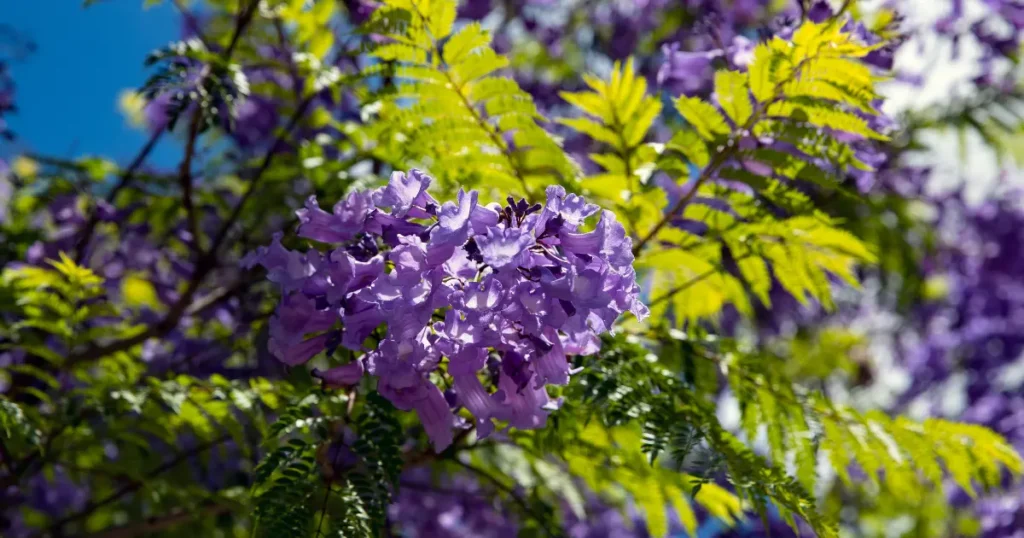
Are you dreaming of adding a stunning tree to your garden that will turn heads with its vibrant purple-blue flowers? The jacaranda trees (Jacaranda mimosifolia) could be the perfect choice for you! Known for its magnificent blooms and graceful appearance, this tree brings not only beauty but also a touch of tropical charm to your landscape. But the big question is – how do you grow jacaranda trees that flourish year after year? Don’t worry! Whether you’re a seasoned gardener or a complete beginner, I’ve got all the tips and tricks to help you grow your own jacaranda tree successfully. Let’s dive in!
What are the Jacaranda Trees?
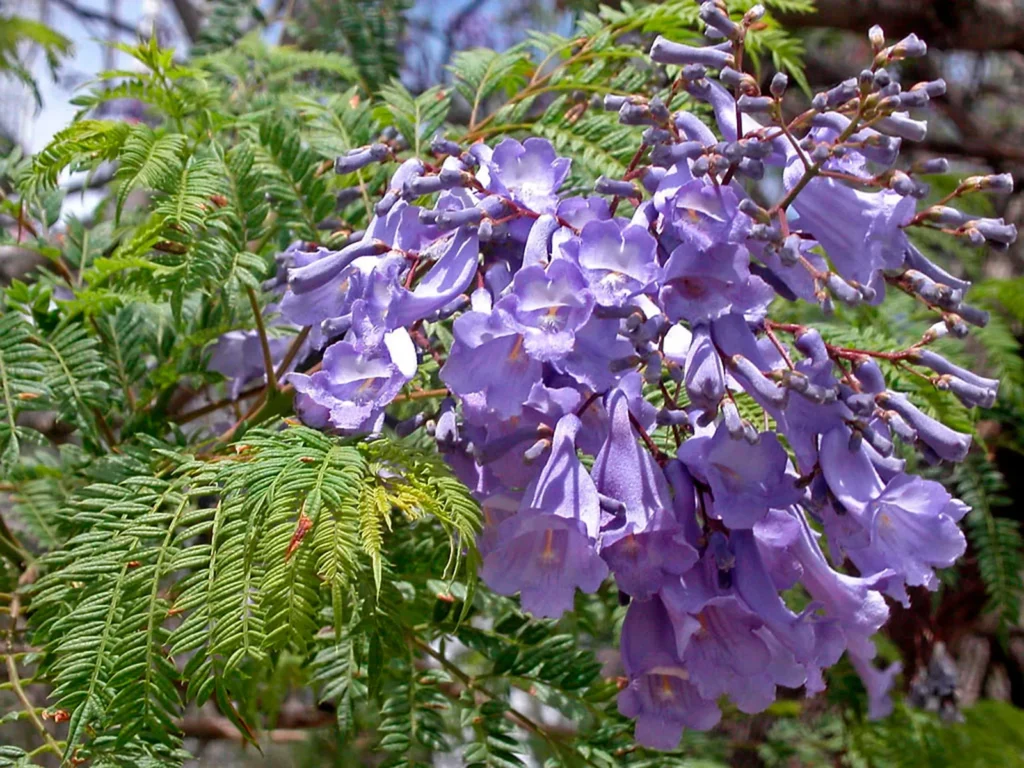
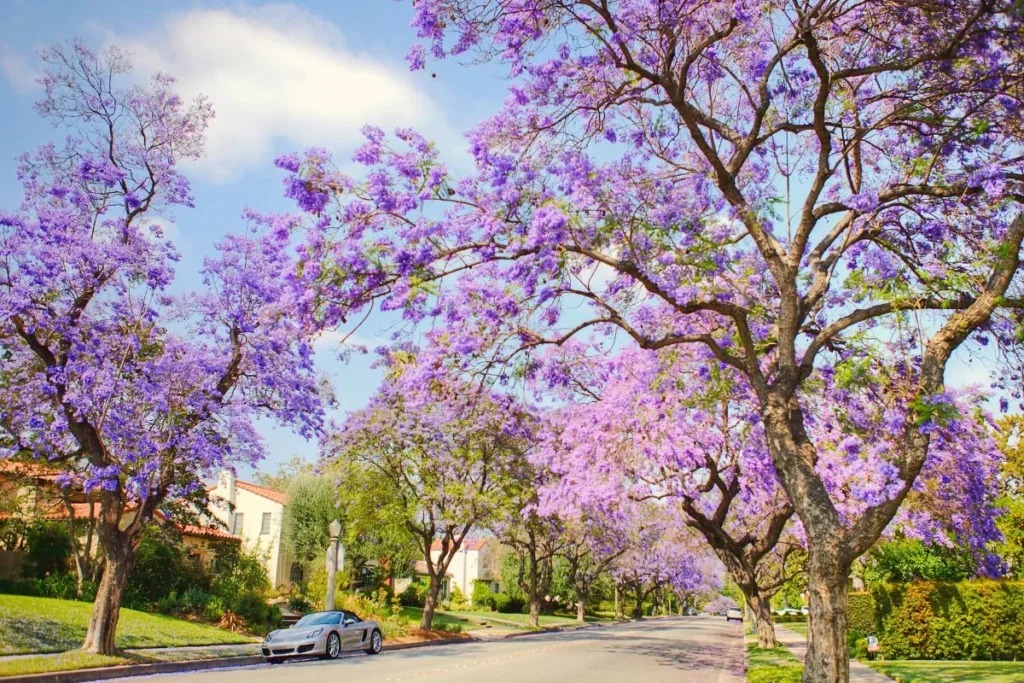
Imagine stepping into your garden in the spring, only to be greeted by a breathtaking canopy of vibrant purple flowers. That’s the jacaranda tree for you! Native to tropical and subtropical regions of South America, this deciduous tree is famous for its stunning, bell-shaped blooms that appear in late spring or early summer. Not only does it add a splash of color to your garden, but its attractive, fern-like foliage and graceful branches also make it an eye-catching focal point. On top of its beauty, jacarandas attract pollinators like bees, butterflies, and hummingbirds, adding life and movement to your outdoor space.
The jacaranda tree is a beautiful tropical tree that produces clusters of fragrant purple panicle-shaped blooms, and its arching branches form a canopy shaped like an upturned umbrella. This fast-growing tree gains about 10 feet per year in its first few years of life when grown in a tropical environment. However, its growth rate can slow down to a moderate pace when planted outside of its ideal tropical climate. Jacarandas are happiest in regions that offer the warm, sunny conditions they thrive in. In the United States, the tree grows remarkably well in parts of Hawaii, Florida, Southern California, and parts of Texas, where the climate is perfect for its growth.
Jacaranda trees require consistent moisture throughout the year and prefer slightly acidic soil to flourish. If you live in a balmy, tropical region, these trees will grow rapidly, adding both beauty and shade to your garden.
Key Features:
-
Botanical Name: Jacaranda mimosifolia (originating from South America)
- Hardiness Zones: 10-11 (USDA)
-
Appearance: The jacaranda tree boasts bright purple or blue flowers, delicate fern-like leaves, and a spreading canopy. It can grow to around 40 feet tall and 30 feet wide when fully mature, offering an impressive presence.
-
Drought-Tolerant: Once established, jacarandas can handle dry conditions quite well, making them perfect for low-water gardens.
-
Pollinator-Friendly: The tree’s colorful blooms attract a variety of pollinators, including bees, butterflies, and even hummingbirds.
-
Low Maintenance: Aside from occasional pruning and some basic care, jacarandas are surprisingly easy to look after, making them ideal for gardeners of all levels.
-
Medicinal Uses: While the primary appeal of jacarandas is ornamental, in some cultures, parts of the tree have been used in traditional medicine.
Planting Jacaranda Trees
Before your jacaranda tree can bloom into that stunning spectacle of purple flowers, it needs the right environment to thrive. Whether you’re planting a small sapling or starting from seeds, setting it up for success is key.
Best Time to Plant Jacaranda Trees
The ideal time to plant your jacaranda tree is during spring, once the danger of frost has passed. If you live in a warmer climate, early fall is also a great time to plant, as it allows the tree to get established before the cold weather sets in. Just be sure to avoid planting in the peak of summer heat, especially in southern regions where the soil can become too hot for young roots to establish.
Choosing the Right Location
Jacarandas love the sun and thrive when given plenty of light. Choose a sunny spot that gets at least 6 hours of direct sunlight every day. The more sunlight your jacaranda gets, the more flowers you’ll see! Keep in mind that jacaranda trees can grow quite large, so make sure you plant them 10–15 feet away from buildings, fences, and other trees to give them ample space to grow and spread their roots.
If you’re planting near a patio or a window, you’ll be able to enjoy their vibrant colors and lovely fragrance all summer long—what a treat for any garden view!
Soil Preparation
Jacaranda trees are relatively forgiving when it comes to soil, but they do prefer well-drained soil. If you have heavy, clayey soil that tends to hold water, mix in some organic compost or sand to improve drainage. You want to ensure the soil doesn’t stay soggy after a rainstorm, as jacarandas don’t like “wet feet,” which can lead to root rot. A well-drained soil that dries out a bit after watering is perfect for these beauties.
How to Plant Jacaranda Trees
-
Dig the Hole: The hole should be about twice the size of the root ball, but no deeper than the root ball itself. This gives the roots plenty of room to spread out.
-
Place the Tree: Carefully remove the tree from its pot and place it in the hole. Make sure the top of the root ball is level with the surrounding soil. You don’t want the tree to sit too high or too deep.
-
Backfill the Hole: Fill the hole with the soil you removed earlier. Gently press it down to eliminate air pockets around the roots.
-
Water Thoroughly: Once your tree is planted, water it deeply to help settle the soil around the roots and ensure it’s well hydrated to kickstart its growth.
Container Planting Tips
If you’re growing your jacaranda tree in a pot, make sure you choose a large container with drainage holes. The pot should be big enough to allow the tree to grow for a couple of years before it needs a larger one. Always use a well-draining potting mix, and be sure to water the tree regularly—just be careful not to overwater.
Growing Jacaranda Trees
Once your jacaranda is planted, it’s time to care for it to ensure it grows into a healthy, blooming beauty. These trees are relatively low-maintenance, but they still need some attention to thrive.
Watering
Jacarandas are fairly drought-tolerant once established, but young trees need regular watering during their first couple of years. Water deeply, ensuring the moisture reaches the roots, and avoid shallow watering, as it can encourage weak root growth. During dry spells, give your tree a good soak to keep it hydrated and help it develop a strong root system. Once established, jacarandas can survive on less frequent watering, but keep an eye out for signs of dehydration during hot weather.
Fertilizing
Jacarandas don’t need heavy fertilization, but a little boost in the spring can help support healthy growth. A balanced, slow-release fertilizer will give your tree the nutrients it needs to flourish. Be cautious not to over-fertilize, though—too much fertilizer can encourage excessive foliage growth and fewer flowers. Follow the manufacturer’s instructions to avoid overdoing it.
Pruning
Pruning is essential for keeping your jacaranda tree healthy and shaping it into a beautiful form. Here’s how to do it:
-
When to Prune: Prune your jacaranda tree in late winter or early spring, before new growth begins. This is the best time to shape the tree and remove any dead or damaged branches.
-
How to Prune: Trim back any long, leggy branches and cut away spent flowers to encourage a second round of blooms. Regular pruning will help keep your tree compact and prevent it from becoming too sparse.
Seasonal Care Tips
-
Spring: Apply fertilizer, prune as needed, and check for pests or diseases.
-
Summer: Water regularly, and remove spent flowers to encourage fresh blooms.
-
Fall: As the weather cools, reduce watering and add mulch around the base of the tree to protect its roots during the winter months.
-
Winter: Jacarandas are fairly cold-hardy, but if you live in a region with harsh winters, young trees might benefit from some extra protection, such as frost cloth or more mulch.
Potting and Repotting
If your jacaranda tree is in a container, it will need to be repotted every few years. Choose a pot that is 2–3 inches larger in diameter than the current one and make sure to use fresh, well-draining potting mix when you repot.
How to Propagate Jacaranda Trees
Jacaranda trees can be propagated through cuttings or seeds, but cuttings are generally easier and more reliable.
Taking Cuttings:
-
Select a healthy branch and cut it just below a leaf node.
-
Remove the lower leaves and dip the cut end in rooting hormone.
-
Place the cutting in a pot filled with moist, well-draining soil.
-
Keep the cutting in a warm, shaded area until it roots and starts growing.
-
Once it has rooted, you can transplant it into the ground or a larger pot.
How to Grow Jacaranda From Seed
Here’s how you can do it:
-
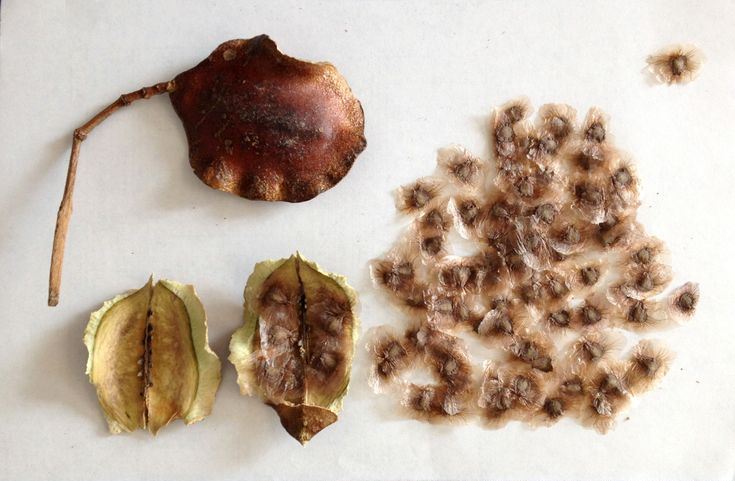
Collect Seeds: Jacaranda trees produce long, flat seed pods that contain small seeds. Once the pods turn brown and dry, you can collect the seeds. Be sure to gather seeds from a healthy tree to ensure strong future growth.
-
Prepare the Seeds: Soak the seeds in warm water for about 24 hours before planting. This helps to soften the seed coat and speeds up germination.
-
Plant the Seeds: Plant the soaked seeds in a small pot filled with a well-draining potting mix. Plant the seeds about 1/4 inch deep in the soil.
-
Germination: Place the pot in a warm location with plenty of indirect sunlight. Keep the soil consistently moist but not soggy. The seeds should begin to sprout in about 3 to 4 weeks.
-
Transplanting: Once the seedlings are large enough to handle, you can transplant them into larger pots or directly into your garden. Ensure they’re getting plenty of sunlight and are protected from extreme temperatures until they’re well established.
Growing jacarandas from seed takes a bit longer than planting a young sapling, but it’s a great way to start a new tree from scratch and watch it grow from the very beginning!
How to Get Jacaranda Trees to Bloom
The jacaranda tree is famous for its spectacular blooms, so it’s natural to want to encourage it to flower profusely.
When Do the Jacaranda Trees Bloom?
Jacarandas typically bloom in late spring to early summer, offering a gorgeous display of vibrant purple flowers that can last for several weeks. The flowers grow in dense clusters and stand out beautifully against the tree’s fern-like leaves.
How to Encourage Your Jacaranda Trees to Bloom
To encourage more blooms:
-
Ensure your tree receives at least 6 hours of direct sunlight each day.
-
Be careful not to overwater—this can cause the tree to focus on growing foliage rather than producing flowers.
-
Deadhead spent flowers throughout the blooming season to encourage fresh blooms.
Caring for Jacaranda Trees After They Bloom
After the bloom season ends, no special Jacaranda Tree care is needed. Simply continue your regular routine of watering, light pruning, and watching out for any pests.
Troubleshooting Common Issues
While jacarandas are relatively low-maintenance, a few problems can arise. Here’s how to handle them:
-
Yellowing Leaves: This could be a sign of overwatering or poor soil drainage. Adjust your watering schedule and check soil conditions.
-
Pests: Jacarandas are generally pest-resistant, but aphids or scale insects can sometimes appear. Use organic insecticidal soap or wash them off with a strong stream of water.
Frequently Asked Questions (FAQs)
-
How long does it take for a jacaranda tree to grow?
Jacarandas grow relatively quickly and can reach up to 10 feet tall in just a few years. -
Can I grow jacaranda trees indoors?
While jacarandas are best suited for outdoor gardens, you can grow them in large containers indoors, as long as they get enough sunlight. -
How do I prune my jacaranda tree correctly?
Prune in late winter or early spring to remove dead branches and trim back spent flowers to encourage more blooms. -
Are jacaranda trees toxic?
No, jacaranda trees are not toxic to humans or pets.
Final Thoughts
Whether you’re enchanted by the jacaranda’s beauty, its graceful form, or its low-maintenance nature, this tree is a wonderful addition to any garden. By following these simple planting and care tips, you’ll enjoy vibrant purple blooms year after year. Happy gardening, and may your jacaranda tree bring joy and color to your space for many seasons to come!
Related Posts:
