
Guide
Master the Art of Goldfish Plant Care: Expert Tips for Thriving Indoor Blooms
Feb
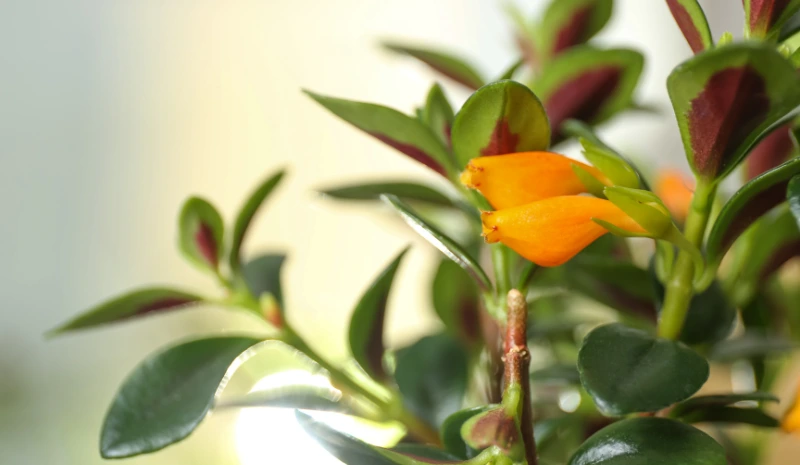
Are you struggling to keep your Goldfish Plant (Columnea gloriosa) healthy and blooming? You’re not alone! These vibrant tropical houseplants can be a bit tricky to care for, but with the right knowledge, you can enjoy their cascading vines and bright orange flowers year-round. In this guide, I’ll walk you through everything you need to know to grow a thriving goldfish plant, from choosing the right soil to preventing common pests.
What is a Goldfish Plant?
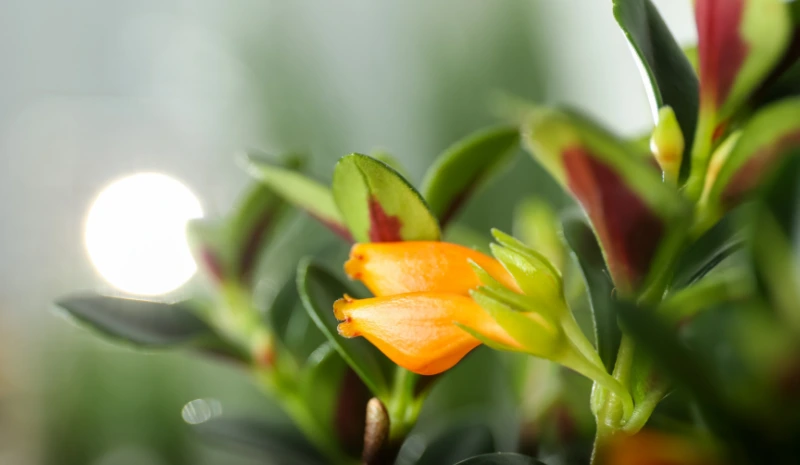
The goldfish plant is a vibrant, eye-catching houseplant that bursts into bloom with bright red-orange flowers in spring and summer—resembling tiny, leaping goldfish!
Goldfish plants bring a bold pop of color to any space with their fiery orange and red blooms, cascading gracefully from their trailing stems. Their glossy, deep-green leaves have a thick, almost succulent-like texture, making them a stunning choice for hanging baskets.
Native to the warm, tropical regions of Central and South America, these evergreen perennials are surprisingly easy to care for—just meet their basic needs, and they’ll reward you with year-round beauty!
Key Features
-
Scientific Name: Nematanthus gregarious
-
Family: Belongs to the Gesneriaceae family, similar to African violets
-
Common Names: Goldfish Plant, Guppy Plant
-
Growth Type: Trailing evergreen perennial, ideal for hanging baskets due to its trailing vines and dense foliage
-
Flower Color: Bright orange to fiery red
-
Native Habitat: Tropical rainforests of Central and South America
-
Toxicity: Non-toxic to pets (safe for cats and dogs!)[1]
Now, let’s dive into the best tips for keeping your goldfish plant happy, healthy, and blooming!
Types of Goldfish Plants
While Columnea gloriosa is the most well-known, there are several varieties to explore:
-
Columnea microphylla – Smaller leaves with dense growth.
-
Columnea hirta – Fuzzy, slightly hairy leaves with bright flowers.
-
Columnea schiedeana – More compact variety with bushy foliage.
The goldfish plant belongs to two main genera: Columnea and Nematanthus, each featuring a variety of cultivars and hybrids with stunning red or yellow flowers.
Growing Goldfish Plants
Choosing the Right Location
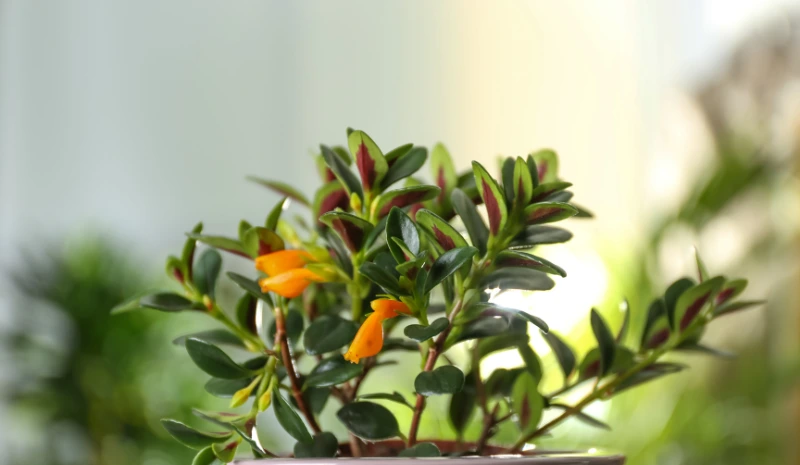
Goldfish plants thrive in bright, indirect light. Indoors, an east or south-facing window is ideal, providing the right balance of light without scorching the leaves. If growing outdoors, place them in dappled sunlight or a partially shaded area to avoid intense midday heat.
If your plant starts looking leggy or has stretched-out stems, it’s a sign it needs more light. Consider moving it closer to a window or supplementing with a grow light to keep it full and bushy.
Soil Preparation
A well-draining, slightly acidic soil mix is key to keeping your goldfish plant healthy. Try this blend for the best results:
-
50% peat-based potting mix (or African violet soil)
-
30% perlite for drainage
-
20% orchid bark to promote airflow around the roots
Avoid heavy, moisture-retentive soil, as goldfish plants are prone to root rot if their roots stay too wet. Also, make sure the pot has drainage holes to prevent standing water.
Watering Needs
Goldfish plants like consistent moisture, but they don’t want soggy roots! Water when the top inch of soil feels dry, ensuring excess water drains out fully. On average, this means watering once or twice a week in spring and summer. In cooler months, reduce watering to every 2-3 weeks.
If leaves curl, turn brown, or drop, the plant may be too dry. On the other hand, yellowing leaves or mushy stems indicate overwatering—so when in doubt, it’s better to slightly underwater than overdo it!
Temperature & Humidity
Goldfish plants prefer warm, humid conditions with temperatures between 65–75°F (18–24°C). They don’t tolerate cold well—temperatures below 50°F (10°C) can cause stress, leading to leaf drop.
To keep humidity levels high (especially indoors), try:
-
Misting the leaves occasionally
-
Placing a humidifier nearby
-
Using a pebble tray with water under the pot
Avoid placing your plant near drafty windows, air conditioners, or heating vents, as sudden temperature changes can cause stress.
Fertilizing
During the growing season (spring and summer), goldfish plants love a little extra nutrition. Feed them with a diluted balanced liquid fertilizer every 2-4 weeks to encourage lush growth and more blooms.
A high-phosphorus fertilizer (like a bloom booster) can help enhance flowering, but avoid over-fertilizing, as it can lead to excessive leafy growth with fewer flowers. In fall and winter, when growth slows, pause fertilizing until spring.
Potting & Repotting
Repot your goldfish plant every 2-3 years or when you notice it becoming root-bound. Signs it needs repotting include:
-
Roots growing out of the drainage holes
-
Soil drying out too quickly after watering
-
Slowed growth or reduced blooming
When repotting, use fresh, well-draining soil and a slightly larger pot (no more than 1-2 inches bigger). Be gentle with the roots and avoid packing the soil too tightly.
Propagating
Growing goldfish plants from seed? Not the best idea—it’s tricky and rarely successful outside their natural habitat. Luckily, stem-tip cuttings make propagation easy and fun! Here’s how to grow new goldfish plants from cuttings:
- Choose the Right Stems – Snip a healthy, 2-3 inch stem tip that doesn’t have flower buds. Remove the lower leaves to expose the node.
- Boost Rooting Success – Dip the cut end into rooting hormone to encourage faster and stronger root growth (optional but helpful).
- Start in Water – Place the cutting in a glass of clean water, keeping it in a warm, bright spot with indirect light.
- Maintain Fresh Water – Change the water once a week to prevent bacteria buildup.
- Watch for Roots – In about two weeks, you should see new roots forming!
- Transfer to Soil – Once roots are a few inches long, plant the cutting in a moist, well-draining potting mix.
- Encourage Growth – Keep the new plant in a warm, humid environment until you see fresh leaves. Your baby goldfish plant will take off, but don’t expect blooms until the following summer!
Goldfish plants root quickly in warm, humid conditions—within 2-4 weeks, you should see new growth!
Common Pests & Diseases of Goldfish Plants
Goldfish plants are fairly resilient, but like all houseplants, they can fall victim to pesky invaders. If left untreated, these pests can weaken your plant and stunt its beautiful growth.
Pesky Pests to Watch For
- Mealybugs – These white, cottony pests love to hide in leaf joints and along stems, sucking sap and weakening the plant.
- Aphids – Tiny green, black, or brown insects that drain nutrients from leaves and stems, causing curling, yellowing, and stunted growth.
- Spider Mites – Almost invisible to the naked eye, these pests leave behind fine webbing under leaves. Their feeding causes speckled yellowing and overall plant stress.
How to Treat & Prevent Pests
- Manual Removal – Dip a cotton swab in rubbing alcohol and wipe away mealybugs and aphids. This kills them on contact.
- Neem Oil Spray – A diluted neem oil solution works wonders—spray affected areas to eliminate pests and prevent future infestations.
- Improve Airflow – Spider mites thrive in hot, dry conditions, so keep humidity up and air circulating around your plant. Occasional misting helps!
- Regular Inspections – Check your plant weekly, especially under leaves and along stems. Catching pests early makes treatment much easier!
How to Get a Goldfish Plant to Bloom
Blooming Season
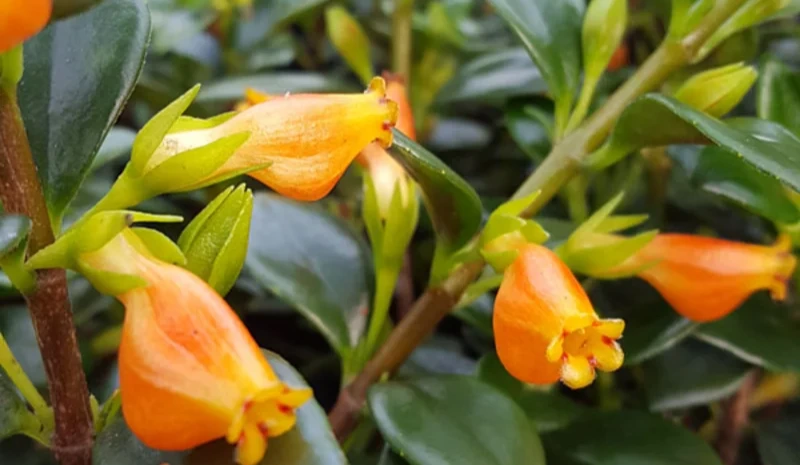
Goldfish plants typically bloom in spring, summer, and fall, producing their signature bright, tubular flowers. While they may go dormant in winter, some plants continue blooming year-round under the right conditions.
What Do Goldfish Plant Flowers Look Like?
Their small, tubular flowers resemble tiny, leaping goldfish, creating a striking display—especially on mature plants with cascading stems in hanging baskets. Despite their playful appearance, these blooms don’t have a fragrance.
How to Encourage More Blooms
-
Pinch back new stems to promote bushier growth and increased flowering.
-
Fertilize weekly or every other week during the growing season with a diluted, balanced fertilizer to support continuous blooms.
-
Provide bright, indirect light—insufficient light is the most common reason for reduced flowering.
Caring for Goldfish Plants After Blooming
Deadhead wilted flowers as soon as they fade to encourage new growth and more blooms throughout the season. Proper care will keep your goldfish plant thriving and full of color for months.
FAQs About Goldfish Plant Care
Q1: Why are my goldfish plant leaves turning yellow?
Overwatering or poor drainage is often the cause. Ensure the soil dries slightly between waterings to prevent root rot. If the plant sits in soggy soil for too long, the roots can suffocate, leading to yellowing leaves and overall decline. Make sure your pot has drainage holes and avoid letting water collect in the saucer.
Q2: How do I encourage my goldfish plant to bloom?
Bright, indirect light is essential for abundant flowering. Goldfish plants also respond well to a phosphorus-rich fertilizer (such as a bloom booster) applied every two weeks during their active growing season. Regularly pinching back new growth will promote a bushier plant, which often results in more blooms.
Q3: Can I grow a goldfish plant outdoors?
Yes, but only if you live in USDA hardiness zones 10-11, where temperatures stay warm year-round. In cooler climates, goldfish plants thrive best indoors, where you can control temperature and humidity. If you place them outside in the summer, bring them in before temperatures drop below 50°F (10°C) to avoid stress.
Q4: Why are my goldfish plant’s leaves dropping?
Low humidity, cold drafts, or sudden temperature changes can cause leaf drop. Goldfish plants love warm, humid environments, so keep them away from air conditioners, heating vents, and open windows during chilly weather. Misting the plant occasionally or using a humidity tray can help maintain the moisture levels it needs to stay healthy.
Final Thoughts
Caring for a goldfish plant can be incredibly rewarding when done right. By providing the proper light, soil, water, and humidity, you’ll enjoy vibrant blooms and healthy foliage all year long.
Have any goldfish plant care tips or success stories? Share them in the comments below!
References
- ASPCA. “Nematanthus spp. (Goldfish Plant) Toxicity Information.” Accessed February 7, 2025. https://www.aspca.org/pet-care/animal-poison-control/toxic-and-non-toxic-plants/nematanthus-spp.
