
Blog Post
Best Companion Plants for Periwinkle And What to Avoid
Nov
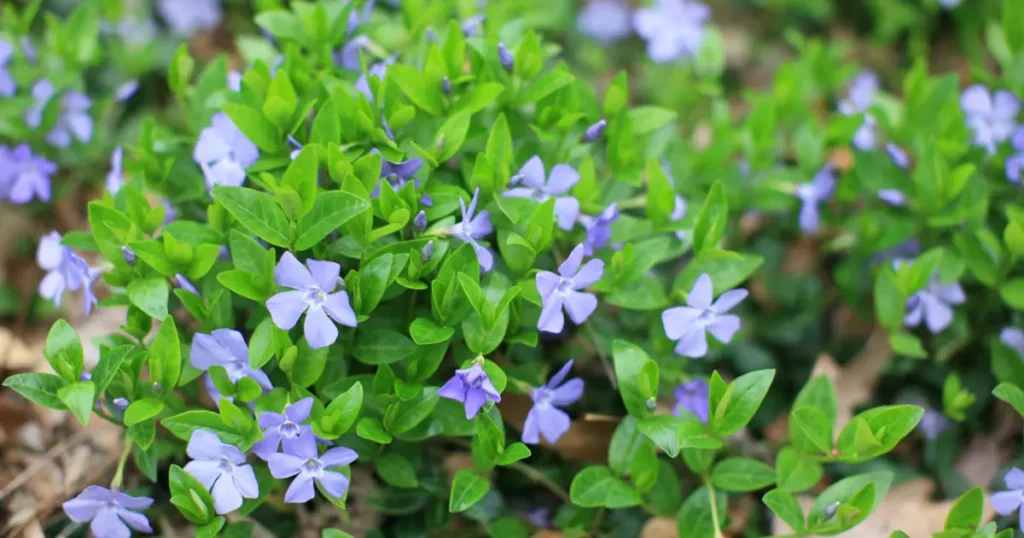
Have you ever planted periwinkle and wondered why the area around it still feels empty, unbalanced, or hard to maintain? Many gardeners love Vinca minor and Vinca major because they spread fast, stay green all year, and grow effortlessly in shade, but the real challenge comes when you start pairing them with other plants.
If you choose the wrong Companion Plants for Periwinkle, you may end up with plants competing for space, struggling for moisture, or taking over the entire bed. If you choose the right ones, you can turn a dull, shady corner into a thick, healthy, and low-maintenance landscape that looks beautiful in every season. This is exactly why companion planting matters, and it is the reason you are here.
I have spent more than a decade working with gardeners across the US, and one thing I’ve learned is that people don’t need complicated explanations or plant science. They need clear, practical guidance that actually works in real yards, with real soil, real weather, and real time constraints.
Periwinkle is an amazing evergreen ground cover, but like any plant, it performs best when supported by species that share its needs and don’t compete aggressively. So let’s break down which companion plants for periwinkle will help your plants thrive, which ones to avoid, and how you can design a landscape that stays beautiful without constant effort.
What Makes Periwinkle Unique as a Garden Plant
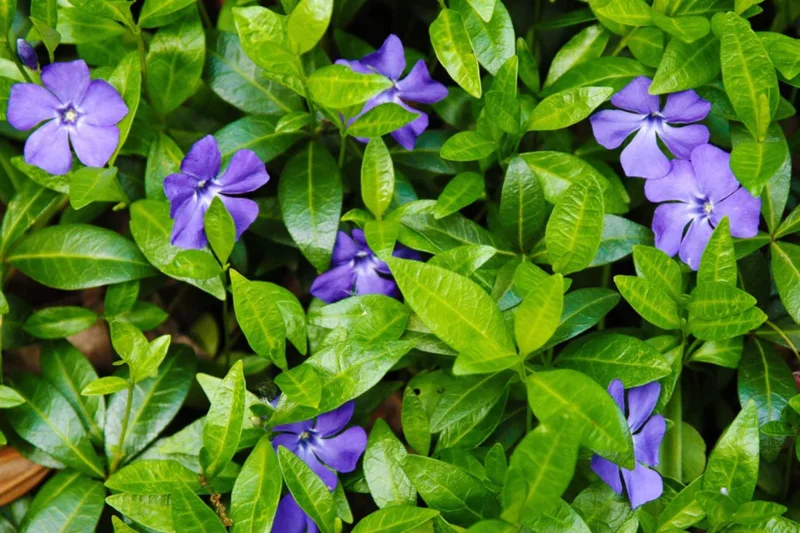
Periwinkle stands out because it brings reliability and adaptability into the garden, especially in places where other plants fail. Both Vinca minor and Vinca major are evergreen ground covers known for their durability and spreading habit, and they grow well in USDA hardiness zones 4-9, depending on the variety. Vinca minor forms a low mat with smaller leaves and is cold-tolerant, while Vinca major grows larger, spreads faster, and prefers warmer zones. They both handle partial to full shade, making them excellent options for woodland gardens, shady borders, and underneath shrubs where grass simply will not grow.
Another reason gardeners rely on periwinkle is its ability to adapt to different soil types. While it prefers moist, well-drained soil, once it settles in, it becomes fairly drought-tolerant. The dense roots help control erosion, which makes it a popular choice for slopes, hillsides, and areas that wash out easily after rain. Because periwinkle fills empty ground quickly, it suppresses weeds and keeps the soil cooler and more stable. These strengths make it a useful plant, but also one that needs thoughtful companions, so every plant in the bed can thrive without overcrowding.
You may like: How to Grow Periwinkle Indoors: A Friendly Guide to Lush Vines in Your Home
Why Choosing the Right Companion Plants Matters
Choosing plants that naturally grow well alongside periwinkle is important if you want a garden that looks balanced and stays easy to care for. When companion plants match periwinkle’s light and soil preferences, everything works together smoothly. The garden becomes more attractive because you get a mix of heights, colors, and textures. You also boost soil health, help maintain moisture, and create a landscape that feels alive without adding extra work.
Good companions prevent problems before they start. Instead of battling weeds, you get natural coverage. Instead of worrying about plants choking one another out, you get healthy spacing and airflow. And instead of constantly adjusting the watering schedule, you create an environment where all plants share similar needs. When things work in harmony, you spend less time fighting issues and more time enjoying your space.
The Best Companion Plants for Periwinkle
Shade-Loving Perennials
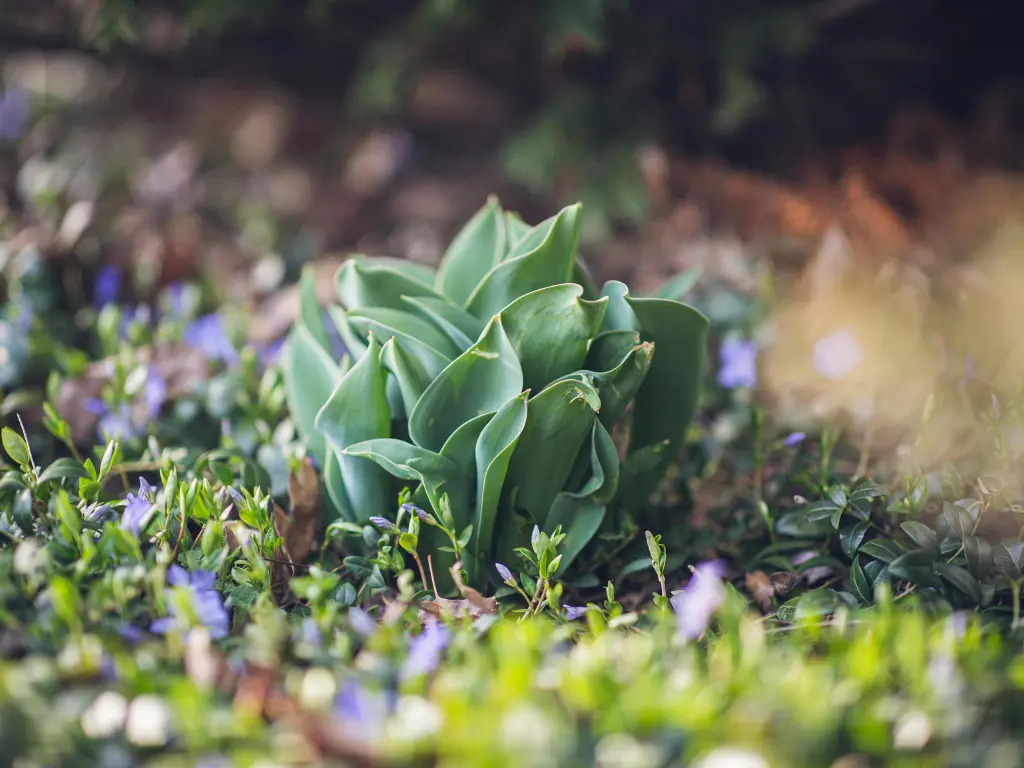
Periwinkle loves partial and full shade, so choosing shade-loving perennials is an easy way to build layers of color and texture.
-
Hostas are one of the best partners you can choose. Their large, bold leaves tower above periwinkle’s low-growing vines, adding structure and visual depth without competing for space. You may like: 5 Easy Ways To Care For Hostas In Fall
-
Ferns also make fantastic companions because they enjoy the same cool, moist conditions. Their feathery fronds bring softness and movement that contrast beautifully with periwinkle’s smooth evergreen foliage.
-
Astilbe is another great choice because it offers plume-like blooms during summer and thrives in the same moisture level, creating a colorful focal point in shaded beds.
Together, these perennials bring life, motion, and vibrancy to areas where sunlight is limited, making them ideal partners in woodland gardens or dark corners of the yard that need a lift.
Shrubs That Pair Well With Periwinkle
Shrubs add height and structure above periwinkle, allowing you to build a more layered and full landscape.
-
Boxwood is one of the most popular choices because its neat, rounded shape balances the more natural, spreading look of periwinkle. It grows well in partial shade and remains evergreen, giving your garden year-round interest.
-
Hydrangeas also pair beautifully with periwinkle because they love moist, shaded soil, and the ground cover helps retain moisture around their roots. The large, bright hydrangea blooms stand out against a carpet of periwinkle and create an inviting cottage-garden look. If you prefer spring color, azaleas are perfect companions. They enjoy similar conditions, and they benefit from the weed suppression that periwinkle provides.
When used together, these shrubs create a structured backdrop while periwinkle fills the ground, resulting in a garden that looks polished without demanding extra attention.
Ground Covers and Low-Growing Partners
If you want to mix periwinkle with other ground covers, you must choose plants that spread at a moderate pace so they don’t overwhelm each other.
-
Sweet woodruff is a lovely option because it grows gently, brings small white flowers in spring, and adds fragrance to the shaded garden floor.
-
Creeping Jenny offers a bright, golden, or lime green color that contrasts sharply with periwinkle’s deeper greens and purples, creating a visually striking combination.
-
Lily of the valley can also work in the right setting, but it spreads aggressively, so it should only be used by gardeners who don’t mind managing its growth.
These low-growing companions help break up the monotony of a single ground cover while keeping the area soft, full, and easy to maintain.
Drought Tolerant Options
Although periwinkle prefers moisture, it adapts surprisingly well once established, which allows you to pair it with certain drought-tolerant plants in partial shade.
-
Sedum varieties, especially low-growing ones, bring interesting textures and require little care. They fit nicely into the edges where the sunlight is slightly brighter.
-
Lavender can also be used in filtered light, offering fragrance, structure, and contrast, though it prefers drier soil. When used carefully, these drought-tolerant companions add diversity and help create a garden that handles heat or dry spells.
Flowering Companions With Color Contrast
If you want more seasonal interest, choose flowering plants that rise above periwinkle and add pops of color.
-
Bleeding heart is a classic choice for shade gardens, offering soft, romantic blooms in spring.
-
Columbine is another favorite because of its unique flower shape and ability to attract pollinators. It grows well in partial shade and adds height above the ground cover layer. If you want bright, continuous color through the warmer months, impatiens are ideal. They thrive in shade, bloom reliably, and bring vibrancy where little else flowers.
These plants add brightness and movement, helping your periwinkle bed look full and colorful rather than flat.
Read more:
- Clerodendrum Bleeding Heart Care: A Complete Guide for Beginners
- Top 20 Early Blooming Flowers to Attract Pollinators in Spring
Plants to Avoid Growing With Periwinkle
Not every plant is a good match for periwinkle. Some species spread even faster and will overrun it, while others simply do not share similar soil or light needs. You should avoid aggressive ground covers like English ivy, goutweed, and creeping Charlie because their spreading habits are stronger than periwinkle’s. Once planted, they can be extremely difficult to control, and they quickly crowd out other species.
Fast-spreading grasses are also poor companions because most of them prefer full sun and dry soil, which conflicts with what periwinkle requires. Deep-rooted shrubs or dense evergreens cast too much shade and pull nutrients away from periwinkle, making it harder for the ground cover to spread evenly. Plants that prefer sandy, dry soil will also struggle next to periwinkle because moisture levels will not match their needs.
Tips for Successfully Planting Periwinkle With Companions
Companion planting works best when you understand spacing, moisture, and maintenance. Since periwinkle spreads quickly, give your shrubs and perennials enough room to grow without being smothered. Pay attention to how sunlight moves across the space, even in shaded gardens, because different plants tolerate slightly different levels of light. Mulching helps retain moisture, keeps soil cool, and prevents weeds, which benefits both periwinkle and its companions.
Because periwinkle grows aggressively, check its edges once or twice a year to keep it from climbing onto plants that need more open space or airflow. A little maintenance goes a long way in keeping your garden balanced.
Landscaping Ideas With Periwinkle
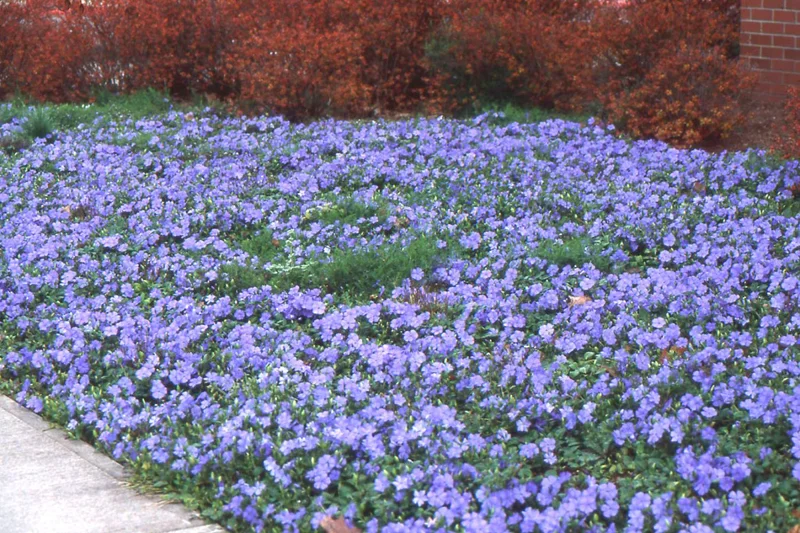
In woodland-style gardens, you can create natural layers by placing tall shrubs at the back, mid-sized perennials in the middle, and periwinkle as a green carpet underneath. This gives your garden a peaceful, forest-like feel.
For shady walkways or pathways, let periwinkle define the edges while ferns and hostas fill the interior. If you are dealing with slope or erosion issues, combine periwinkle with shrubs like hydrangeas for stability and visual interest. Near home foundations, periwinkle works well under shrubs where grass refuses to grow, creating a tidy and low-maintenance border.
Frequently Asked Questions (FAQs)
Can periwinkle become invasive in some US states
Yes. In states like Oregon, Washington, and some parts of the Northeast, periwinkle is considered invasive. Always check local regulations before planting.
How fast does periwinkle spread with companion plants
In the right conditions, periwinkle can spread one to two feet per year. Companion plants may slow or guide their growth.
Is periwinkle safe for pets
Periwinkle contains compounds that can be toxic if eaten in large amounts. Keep pets from chewing on the plant.
What is the best season to plant periwinkle in the US
Spring and fall offer moderate temperatures and consistent soil moisture, allowing roots to establish quickly.
Conclusion
Choosing the right companion plants for periwinkle can transform your garden into a lush, balanced, and easy-to-manage space. When you match periwinkle with shade-loving perennials like hostas and ferns, supportive shrubs like hydrangeas and azaleas, or colorful flowering plants like columbine and impatiens, you create a garden that stays healthy without constant work. Avoid pairing it with aggressive ground covers or plants that need dry soil, and your landscape will thrive year after year.
