
Transform Your Garden with Live Milkweed Plants
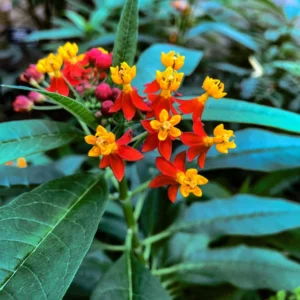
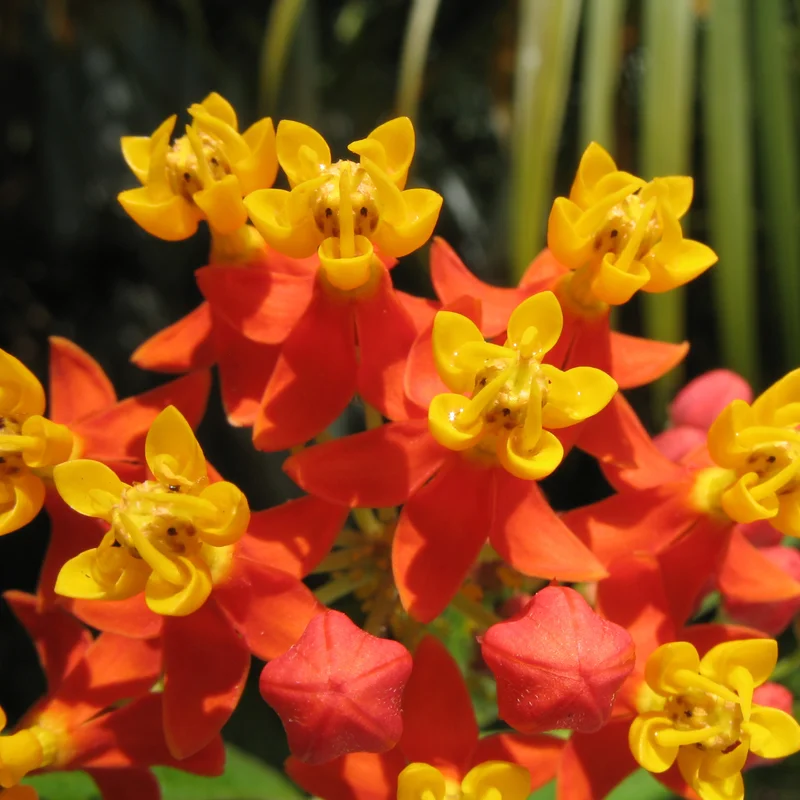
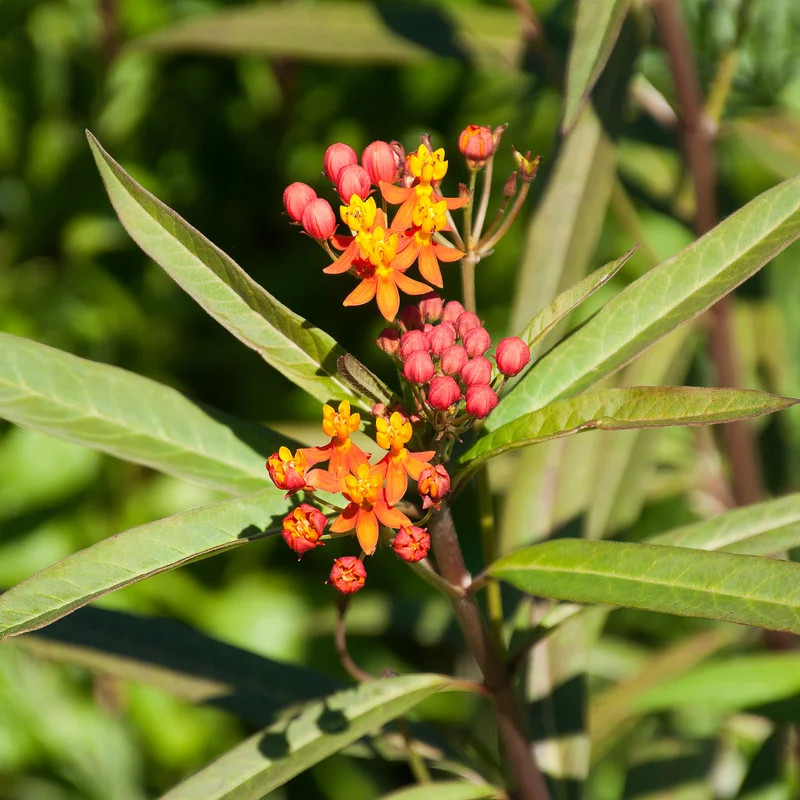
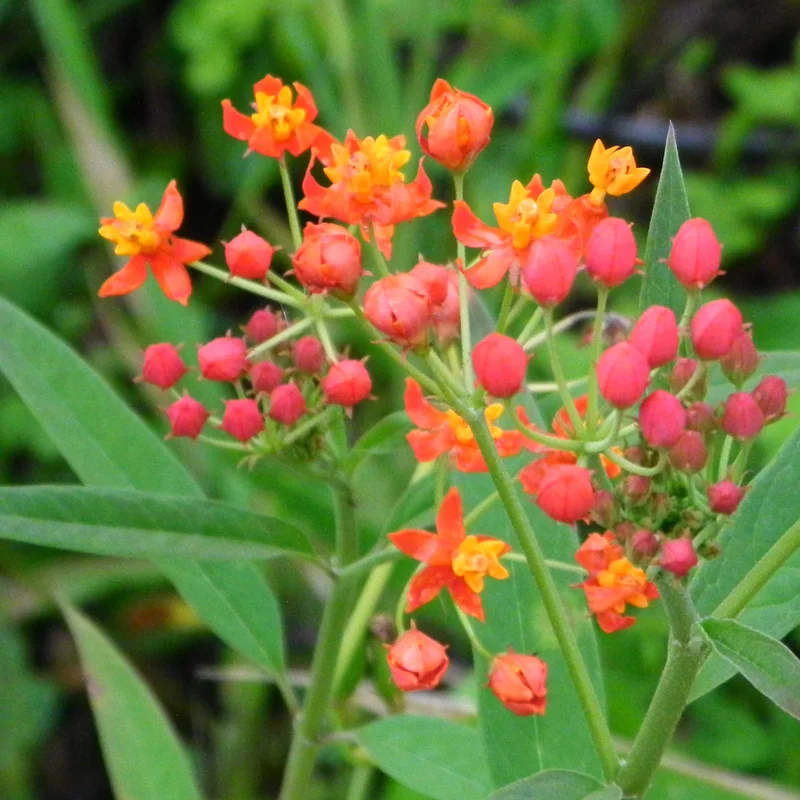
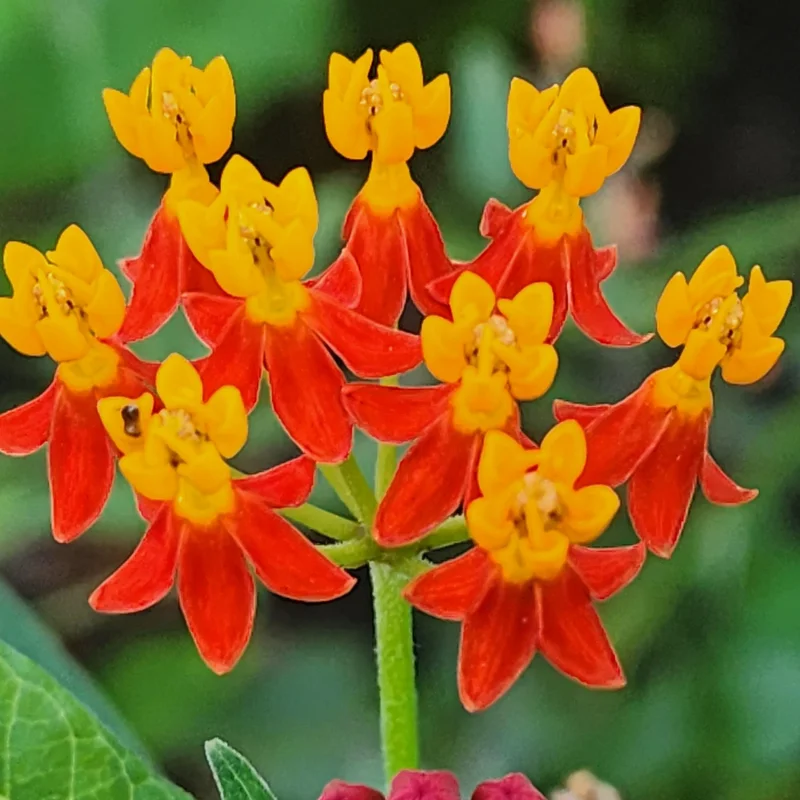
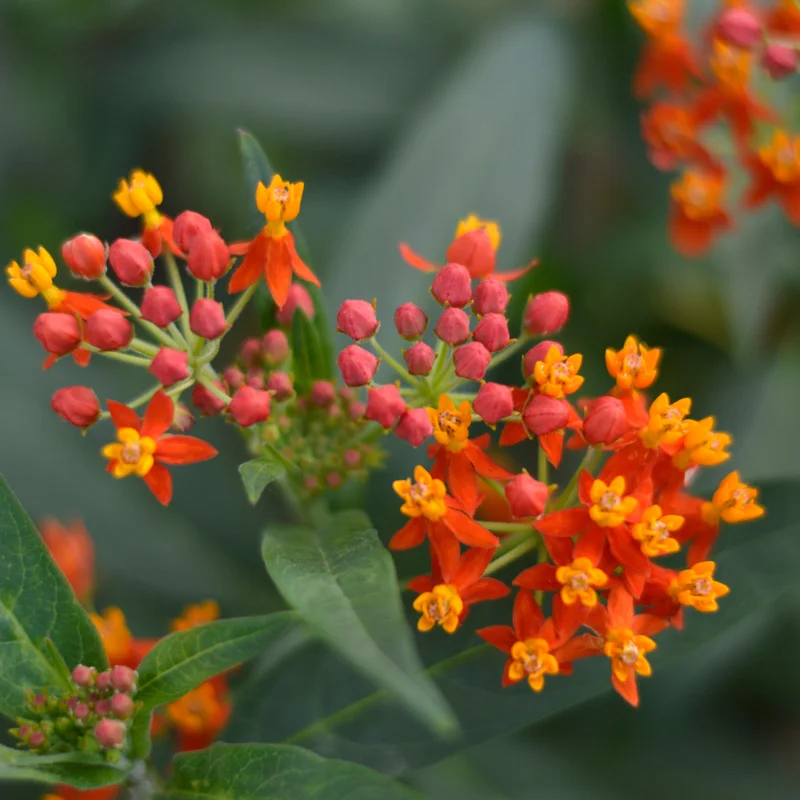
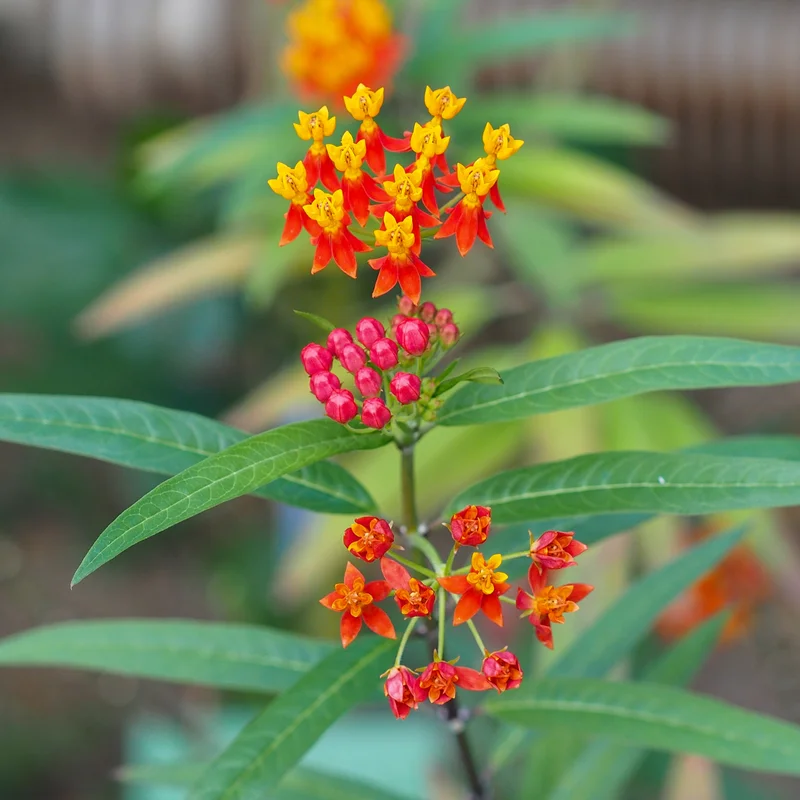
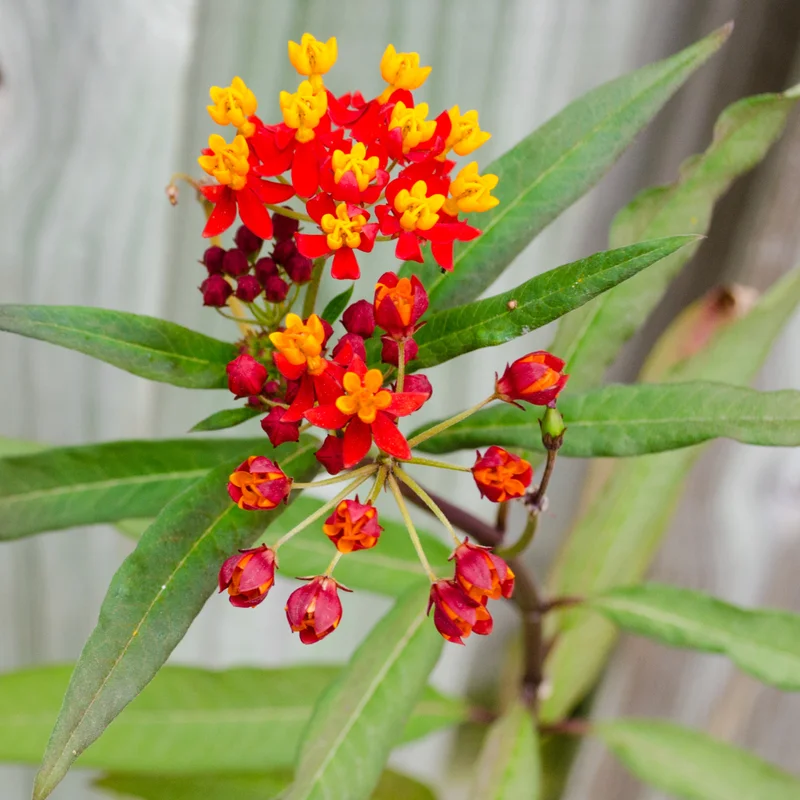
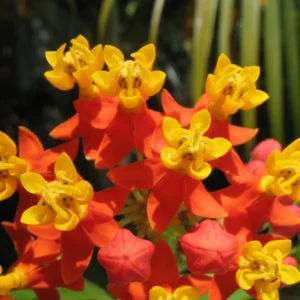
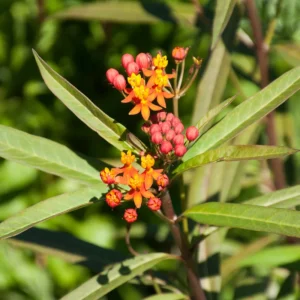
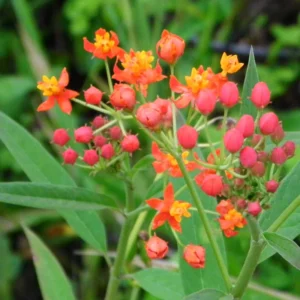
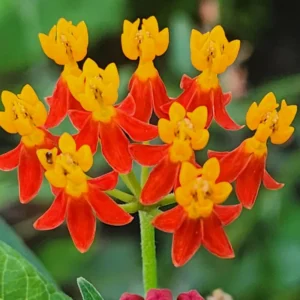
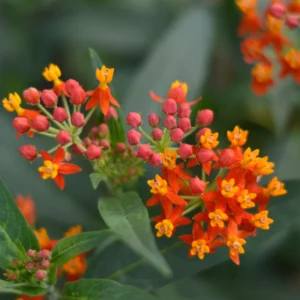
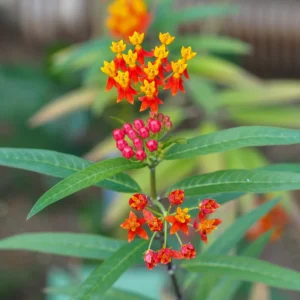
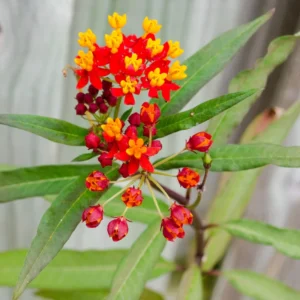
The Live Milkweed Flowering Plant is a must-have for any garden enthusiast looking to support local pollinators and add a touch of natural beauty. Known for its vibrant red blooms, the Red Milkweed Plant not only enhances the aesthetic appeal of your garden but also plays a crucial role in sustaining butterfly populations, particularly Monarch butterflies. This makes it an excellent choice for environmentally conscious gardeners seeking to create a butterfly haven.
Whether you have a small patio or a sprawling backyard, this Milkweed Plants Live, starting at 8 inches tall in its pot, is versatile enough to thrive in both containers and garden beds. The mature size reaches approximately 2 feet in height and 1.5 feet in width, creating a visually stunning landscape that attracts a variety of pollinators. The plant’s adaptability and striking appearance make it a perfect addition to any outdoor space, providing both beauty and ecological benefits.
The Milkweed plant thrives in full sun and prefers moist, well-drained soil. As a perennial, it reliably returns year after year in USDA zones 3-12, ensuring long-term enjoyment and sustainability. Its ability to adapt to various soil conditions makes it a great choice for most outdoor settings, providing flexibility and ease of care for gardeners of all levels. With proper care, the Live Milkweed Flowering Plant will flourish and become a focal point in your garden.
For optimal growth, it is important to plant the Red Milkweed Plant during the spring to early fall. While it enjoys full sun, it can also tolerate some partial shade, giving you flexibility in garden placement. When watering, provide a deep soak of 1-2 inches to encourage robust growth and healthy root development. Regular watering, combined with adequate sunlight, ensures the plant remains vibrant and attractive throughout the growing season.
This low-maintenance, drought-resistant plant is an excellent choice for both experienced and novice gardeners. Its stunning appearance, paired with its functional role as a habitat for pollinators, makes it an eco-friendly option for garden landscaping. The Live Milkweed Flowering Plant is not just beautiful but essential for attracting and nurturing butterflies, helping to sustain local wildlife populations and contributing to a healthier ecosystem. Add this beautiful and beneficial plant to your garden today and enjoy the beauty and ecological benefits it provides.
Frequently Asked Questions
- How tall does the Live Milkweed Flowering Plant grow?
The plant starts at about 8 inches tall in the pot and can mature to approximately 2 feet tall once planted. - What kind of soil does milkweed need?
Milkweed thrives in moist, well-drained soil to prevent waterlogging and promote healthy root growth. - Is milkweed a perennial plant?
Yes, the milkweed plant is a perennial and will return every year when planted in USDA zones 3-12, offering long-term beauty and ecological benefits. - How much sunlight does this plant require?
Milkweed prefers full sun, although it can tolerate some partial shade, providing flexibility in garden placement. - When is the best time to plant milkweed?
The ideal planting period is during spring to early fall to allow the plant to establish itself before the cold weather arrives. - How often should I water my Milkweed plant?
Water deeply, providing 1-2 inches of water per week, especially during dry periods, to encourage robust growth. - What are the benefits of planting Milkweed?
Milkweed is essential for Monarch butterflies, providing food for their caterpillars and attracting pollinators to your garden, contributing to a healthier ecosystem. - Can I grow Milkweed in a pot?
Yes, Milkweed can be successfully grown in pots, making it suitable for patios and balconies, as long as it receives adequate sunlight and well-drained soil. - How can I attract more butterflies to my garden?
Planting Milkweed is a great way to attract butterflies. Consider pairing it with other nectar-rich flowers to create a butterfly-friendly habitat. - What should I do if my Milkweed plant is not growing well?
Ensure the plant receives enough sunlight, is planted in well-drained soil, and is watered regularly. Also, check for any signs of pests or diseases and address them promptly.


Reviews
There are no reviews yet.