
Blog Post
Top 9 Garlic Companion Plants for a Bumper Harvest
Nov
Garlic is a garden powerhouse, offering a myriad of benefits from pest control to boosting soil health. But did you know that it also has fantastic companions that can help you grow a more flavorful and productive garden? Garlic, with its rich aroma and anti-fungal properties, can be a fantastic partner to a variety of other plants, making it an easy addition to any garden. Plus, it’s an excellent way to reduce your workload while boosting your harvest.
Whether you’re planting vegetables, herbs, or flowers, pairing garlic with the right plants can improve the health of your garden with minimal extra effort. Here are nine top garlic companion plants you’ll want to add to your garden this season.
1. Roses
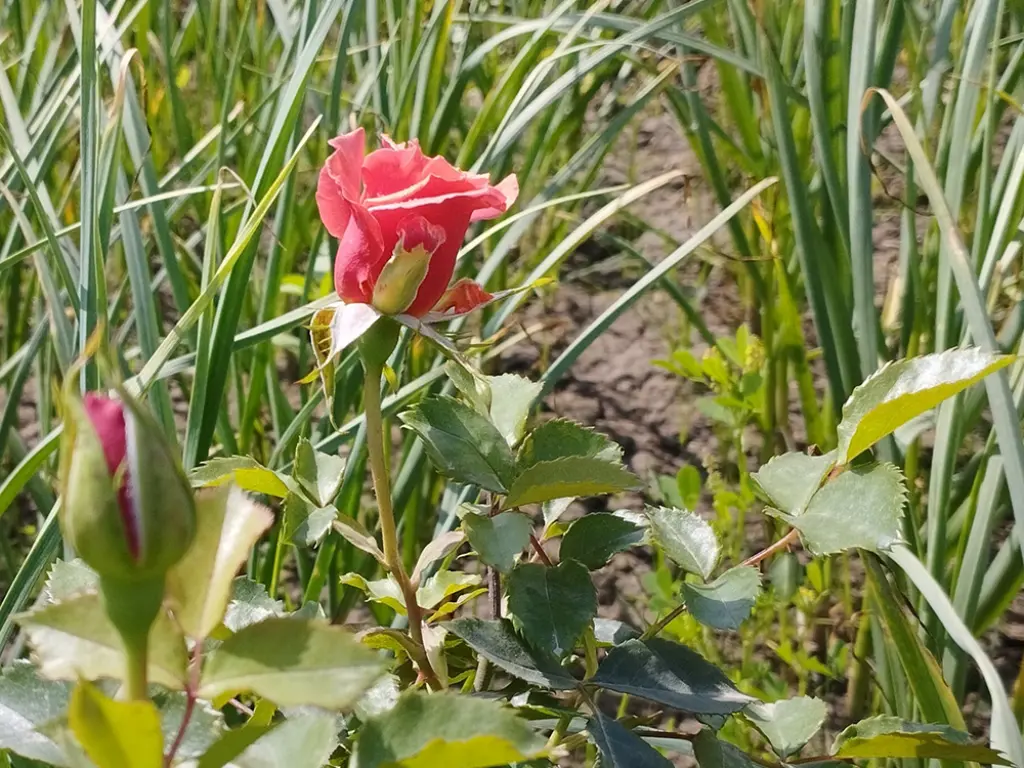
Garlic and roses share more than just an affinity for fragrance; they also help each other thrive in the garden. Garlic’s strong aroma can repel aphids, which are notorious for attacking rose blooms. In return, roses offer partial shade, which helps garlic retain moisture in the soil during the hot summer months. The dense rose foliage also acts as a natural windbreak, protecting your garlic from strong gusts.
-
Why they work together: Garlic helps repel aphids, and roses provide much-needed shade.
-
Zones: 3 to 10, depending on variety
-
Size: 1 to 20 feet tall x 1 to 15 feet wide
-
Care tips: Plant roses in full sun with well-draining soil. Be sure to space them apart so both plants have room to thrive.
Read more:
- Top 5 Fast-Growing Climbing Roses for a Dreamy Garden for Beginners
- How to Grow Joseph’s Coat Roses in Containers
2. Tomatoes
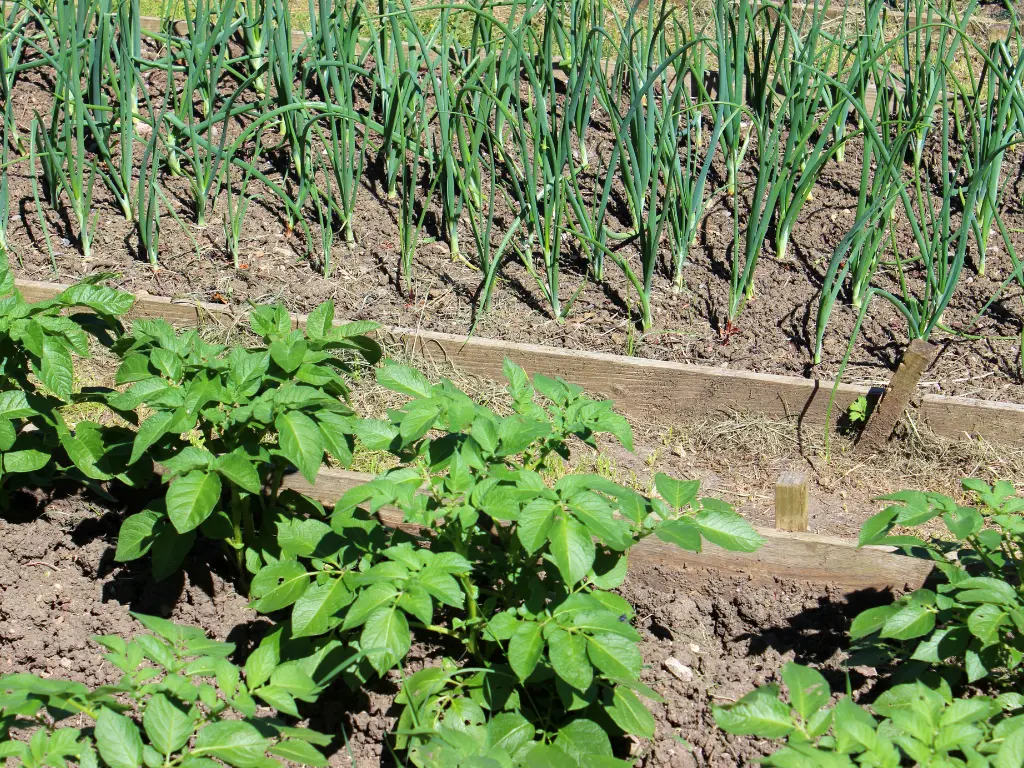
Garlic and tomatoes are a classic culinary pair, and their relationship in the garden is no different. Garlic can help repel red spider mites, which often attack tomatoes, and it is known to improve the flavor of tomatoes when planted nearby. Taller tomato plants also offer shade for garlic, keeping the soil moist during its growing season. Plus, when tomato leaves fall, they decompose and add beneficial nutrients to the soil.
-
Why they work together: Garlic repels pests that attack tomatoes, while tomatoes help keep the soil moist for garlic.
-
Zones: 2 to 10
-
Size: 3 to 8 feet tall x 2 to 4 feet wide
-
Care tips: Tomatoes love full sun and well-draining soil. Make sure to keep an eye on watering, as both plants thrive with consistent moisture.
3. Carrots
Garlic is an excellent companion for carrots, thanks to its pest-repellent and anti-fungal qualities. Garlic helps deter root maggots, which are a common pest for carrots, and reduces the risk of fungal diseases. Meanwhile, carrots’ deep roots help aerate the soil, improving drainage for garlic, while their ability to break up compacted soil makes it easier for garlic roots to grow.
-
Why they work together: Garlic protects carrots from pests and diseases, while carrots improve soil health for garlic.
-
Zones: 3 to 10
-
Size: 3 to 36 inches tall x 2 to 3 inches wide
-
Care: Full sun to partial shade; moist, well-draining soil
Read more: How to Grow Carrots: A Beginner’s Guide
4. Cucumbers
Cucumbers and garlic make a winning combination when it comes to both plant health and garden productivity. Garlic’s natural anti-fungal and anti-bacterial properties help cucumbers fend off common infections like downy mildew and powdery mildew. Meanwhile, cucumber vines act as ground cover, helping keep weeds at bay and maintaining moisture around garlic’s roots. This combination helps both plants grow stronger and healthier without too much effort on your part.
-
Why they work together: Garlic protects cucumbers from mildew, while cucumbers provide ground cover and moisture for garlic.
-
Zones: 4 to 12
-
Size: 2 to 6 feet tall x 3 to 8 feet wide
-
Care tips: Cucumbers thrive in full sun with well-draining soil. Keep the area around your garlic free of weeds to help both plants grow well.
5. Dill
Dill and garlic make a mutually beneficial pairing. Not only does dill enhance the flavor of garlic, but it also attracts beneficial insects like ladybugs and predatory wasps that can help protect garlic from pests. Meanwhile, garlic repels aphids, which can damage dill plants. This partnership is a win-win for both.
-
Why they work together: Garlic repels aphids that can damage dill, and dill attracts beneficial insects to protect garlic.
-
Zones: 2 to 11
-
Size: 2 to 5 feet tall x 2 to 3 feet wide
-
Care tips: Dill loves full sun and well-drained soil, but it’s also tolerant of partial shade. Make sure to water it consistently, but don’t let the soil get too soggy.
6. Spinach
Garlic and spinach are a match made in gardening heaven. Garlic’s pest-repelling properties protect spinach from common garden pests like aphids and flea beetles. Meanwhile, spinach, with its shallow roots, doesn’t compete with garlic for space, allowing both plants to thrive. Garlic can also help suppress diseases like downy mildew, which can sometimes affect spinach plants.
-
Zones: 3 to 9
-
Size: 6 to 12 inches tall x 6 to 18 inches wide
-
Care: Full sun to partial shade; rich, well-draining soil
7. Strawberries
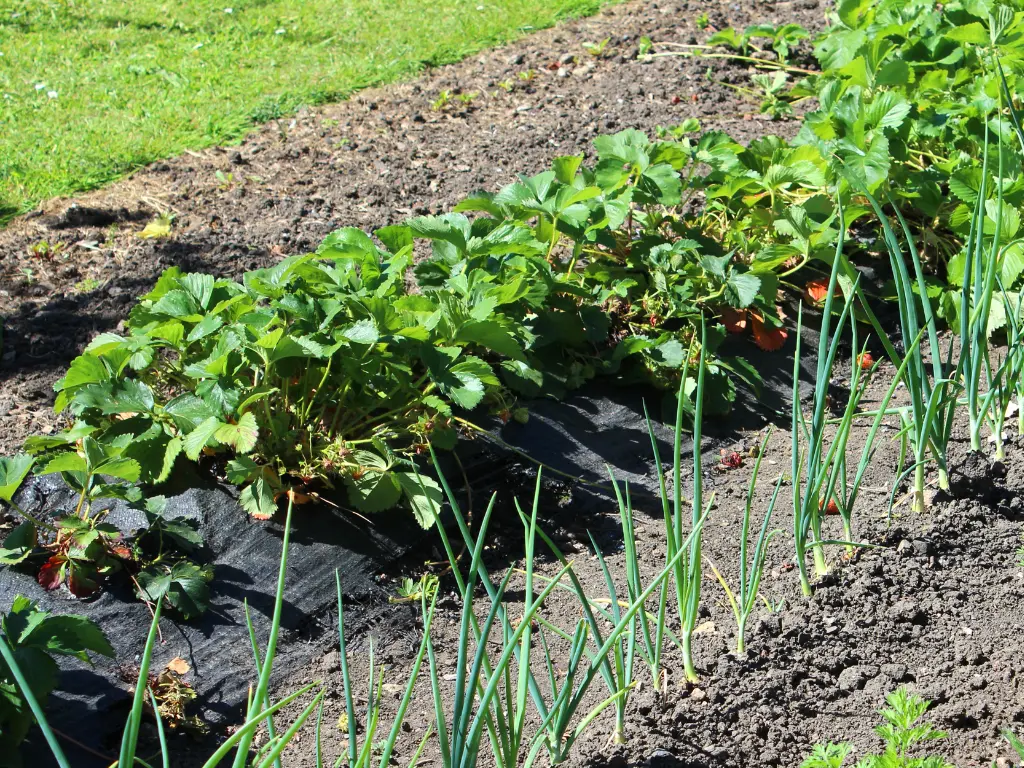
Strawberries and garlic may seem like an unlikely duo, but they make a great team in the garden. Garlic’s strong scent can ward off pests like aphids and spider mites, which are known to damage strawberry plants. Additionally, garlic can help prevent fungal infections, like botrytis, that often affect strawberry crops. The leafy strawberry plants provide ground cover, which helps keep the soil around the garlic moist.
-
Why they work together: Garlic deters pests and prevents fungal diseases, while strawberries provide ground cover and help retain moisture.
-
Zones: 3 to 8
-
Size: 6 to 12 inches tall x 12 to 18 inches wide
-
Care tips: Strawberries need full sun and well-draining soil. Make sure they have enough space to spread out and form new runners.
8. Peppers
Garlic and peppers go hand-in-hand in the garden, not only because they grow well together but because they benefit from each other’s presence. Garlic helps repel pests such as aphids and spider mites that often damage pepper plants. Additionally, garlic’s natural ability to boost soil health helps peppers thrive, leading to larger, tastier fruits.
-
Why they work together: Garlic helps protect peppers from pests, while peppers provide some shade for garlic during the hottest part of the year.
-
Zones: 2 to 10
-
Size: 18 to 36 inches tall x 12 to 18 inches wide
-
Care tips: Peppers need full sun and well-drained soil. Water them consistently, but avoid over-watering to prevent root rot.
9. Leeks
Leeks and garlic are close relatives in the Allium family, and they make great companions in the garden. Not only do both plants help repel common garden pests, but they also benefit from each other’s presence. Leeks help shade garlic during hotter months, and their deep roots improve soil aeration, allowing garlic to grow more easily. Together, they create a productive, healthy garden environment.
-
Why they work together: Both plants deter pests, and leeks provide shade and improve soil aeration for garlic.
-
Care tips: Leeks need full sun and well-draining soil, and they should be spaced properly to allow for their deep roots to grow.
-
Zones: 3 to 9
-
Size: 12 to 24 inches tall x 6 to 8 inches wide
Final Thoughts
Incorporating these garlic companion plants into your garden will not only boost your harvest but also promote a healthier, more resilient growing environment. By selecting plants that complement garlic’s natural pest-repelling properties, you can create a thriving garden with minimal effort. So, whether you’re growing garlic for flavor or for its many benefits, consider these nine companions for a stronger, more productive crop.
